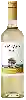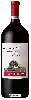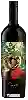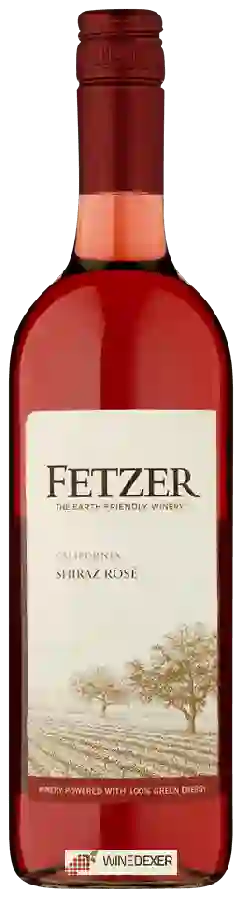
Winery FetzerShiraz Rosé
 Pink wine



This wine generally goes well with beef, lamb or mature and hard cheese.

Food and wine pairings with Shiraz Rosé
Pairings that work perfectly with Shiraz Rosé



Original food and wine pairings with Shiraz Rosé

The Shiraz Rosé of Winery Fetzer matches generally quite well with dishes of beef, lamb or spicy food such as recipes of beef stew provencal style, sri lankan lamb rolls (mutton rolls) or traditional lamb couscous (from algeria).
Details and technical informations about Winery Fetzer's Shiraz Rosé.
Discover the grape variety: Dattier de Beyrouth
Table grape with long clusters and elongated golden berries (date-shaped, hence the name), thin skin and crunchy flesh, with a pleasant sweet flavour. Very rarely vinified. Grown in the eastern Mediterranean (Lebanon, Syria, Turkey, Greece), southern Europe and North Africa, prized for its attractive appearance and extended cold-storage life. Historic white table grape variety originating from the Levant (probably Lebanon).
Informations about the Winery Fetzer
The Winery Fetzer is one of of the world's great estates. It offers 110 wines for sale in the of California to come and discover on site or to buy online.

The wine region of California
Powerful, sunny reds: dense Napa Cabernet Sauvignon (blackcurrant, chocolate, tobacco, ample tannins), spicy, jammy Zinfandel from the Sierra Foothills, silky red-fruited Pinot Noir on the cool coast (Sonoma, Russian River, Central Coast). Opulent, buttery Chardonnay, notes of yellow fruit and vanilla. Varied climate, from the hot interior to the Pacific-cooled coast. 80% of US production, 139 AVAs including Napa (1st AVA, 1981).
The word of the wine: Reassembly
During the vinification process, a "cap" is formed at the top of the vats with the solid parts (skin, pulp, pips, etc.), which contain tannins and colouring elements. Pumping over consists of emptying the vat from the bottom and pouring the juice back to the top, in order to mix the cap and the juice and to favour the exchange and the extraction. This old technique allows a better exchange between the solid parts and the liquid.