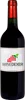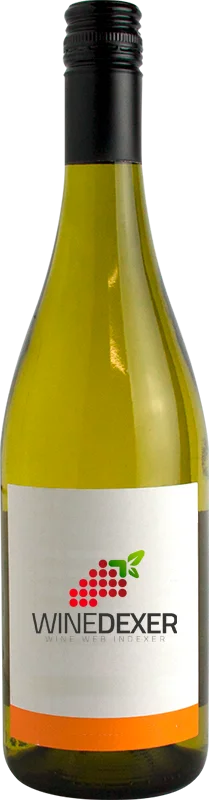
Winery Familia CrottaTorrontes
 White wine


In the mouth this white wine is a powerful with a nice freshness.
This wine generally goes well with vegetarian, spicy food or aperitif.

Taste structure of the Torrontes from the Winery Familia Crotta
Light | Bold | |
Dry | Sweet | |
Soft | Acidic |
In the mouth the Torrontes of Winery Familia Crotta in the region of Mendoza is a powerful with a nice freshness.
Food and wine pairings with Torrontes
Pairings that work perfectly with Torrontes



Original food and wine pairings with Torrontes
The Torrontes of Winery Familia Crotta matches generally quite well with dishes of spicy food, vegetarian or aperitif such as recipes of chicken tagine with apricots, goat cheese and bacon quiche or delicious moroccan fritters.
Details and technical informations about Winery Familia Crotta's Torrontes.
Discover the grape variety: Onchette
Simple, fresh dry whites with a pale golden robe, a supple palate and preserved acidity. Understated aromas of citrus, white flowers and herbaceous notes from the South-West. Rustic, airy profile, best drunk young. Preserved in INRAE variety collections, it bears witness to the pre-phylloxera ampelographic diversity of the South-West and is studied as a heritage grape. Rare French white grape, once cultivated in the South-West, now nearly extinct.
Last vintages of this wine
The best vintages of Torrontes from Winery Familia Crotta are 0
Informations about the Winery Familia Crotta
The Winery Familia Crotta is one of of the world's great estates. It offers 36 wines for sale in the of Mendoza to come and discover on site or to buy online.

The wine region of Mendoza
World capital of Malbec: powerful, deep reds with blackberry, plum, violet and sweet spice, round tannins and vivid fruit. Also firm Cabernet Sauvignon, supple, juicy Bonarda, aromatic floral white Torrontés. High-altitude vineyards (800-1,700 m) at the foot of the Andes, dry continental climate irrigated by glacial waters. ~80% of Argentine output across 150,000 ha.
The word of the wine: Oxidative (breeding)
A method of ageing which aims to give the wine certain aromas of evolution (dried fruit, bitter orange, coffee, rancio, etc.) by exposing it to the air; it is then matured either in barrels, demi-muids or unoaked casks, sometimes stored in the open air, or in barrels exposed to the sun and to temperature variations. This type of maturation characterizes certain natural sweet wines, ports and other liqueur wines.