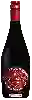
Winery Famiglia BoronRosso Frizzante
 Sparkling wine



This wine generally goes well with

Details and technical informations about Winery Famiglia Boron's Rosso Frizzante.
Discover the grape variety: Albanella
Fresh and lively dry whites with a pale golden robe, a supple palate with preserved acidity, showing understated aromas of citrus, white flowers and Apennine herbaceous notes. Discreet profile best drunk young. Often blended with verdicchio or trebbiano in Marche whites, contributing to the typicity of Marchigian whites without dominating the terroir. Native white Italian grape from the Marche region, grown on small surfaces in the Apennines.
Last vintages of this wine
The best vintages of Rosso Frizzante from Winery Famiglia Boron are 0
Informations about the Winery Famiglia Boron
The Winery Famiglia Boron is one of of the world's greatest estates. It offers 22 wines for sale in the of Veneto to come and discover on site or to buy online.

The wine region of Veneto
World star of Prosecco: fresh, light Glera sparklers with notes of pear, green apple and white flowers, fruity, convivial bubbles. Veronese reds from Corvina and Rondinella: light, crisp Bardolino, fruity Valpolicella, opulent, concentrated Amarone DOCG (black cherry, chocolate, raisin) from dried grapes. Mineral, almondy Soave (Garganega) whites, fresh Pinot Grigio. 97,500 ha, Italy's largest production.
The word of the wine: Wort
Juice before fermentation, still loaded with sugar.