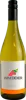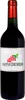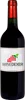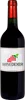
Winery Etienne ImbertGordes Mon Amour
 Pink wine



This wine generally goes well with

Details and technical informations about Winery Etienne Imbert's Gordes Mon Amour.
Discover the grape variety: Pinotage
Intensely coloured, structured reds with inky robe and firm tannins, with typical aromas of blackberry, black plum, roasted coffee, cocoa, banana and characteristic smoky notes. Made as powerful ageing reds and as more approachable fruity cuvées, sometimes as rosés. Absolute signature of South Africa (Stellenbosch, Swartland, Paarl). Cross of pinot noir × cinsault created in 1925 by Abraham Perold at Stellenbosch University.
Informations about the Winery Etienne Imbert
The Winery Etienne Imbert is one of of the world's greatest estates. It offers 9 wines for sale in the of Vaucluse to come and discover on site or to buy online.

The wine region of Vaucluse
Vast southern IGP between Ventoux, Luberon and the Rhône: signature Grenache, Syrah and Mourvèdre as fruity, sun-drenched reds with notes of cherry, raspberry, blackberry, garrigue (thyme, rosemary), Mediterranean spices and a peppery touch, supple tannins and a moreish finish. Cinsault and Carignan in support. Signature fresh rosés (strawberry, citrus). Viognier, Grenache Blanc and Clairette in whites.
The wine region of Méditerranée
Vast IGP of south-east France (Provence, Vaucluse, Var, Corsica, Ardèche), 75% rosés. Fresh, fruity rosés with signature notes of strawberry, raspberry, citrus, white flowers and a Mediterranean touch, taut and thirst-quenching on the palate — the quintessential sunny aperitif. Supple reds blending Grenache, Syrah, Cabernet and Merlot (red fruits, garrigue, spice), full whites of Viognier (apricot, flowers) and Chardonnay. Generous everyday wines, expression of the south.
The word of the wine: Phylloxera
Aphid that came from America and ravaged European vineyards at the end of the 19th century. It lives on the roots of the vine, from which it pumps the sap. The only vines capable of resisting it had to be imported from the United States, and then grafted onto their root system the wood of traditional French grape varieties. Today, grafted vines are always planted.