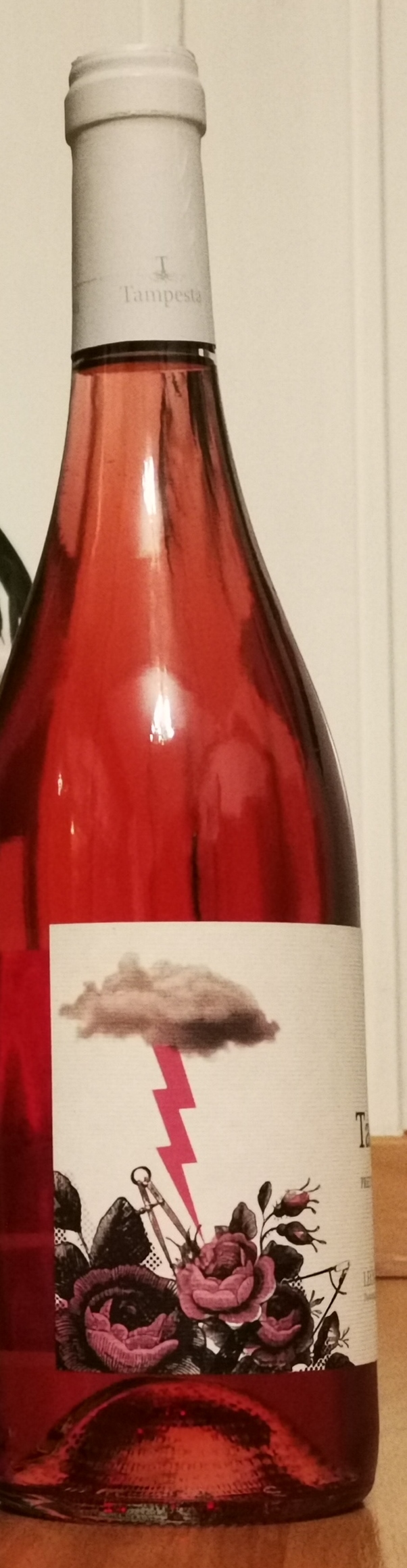
Bodegas Margon - PricumRosado
 Pink wine


This wine generally goes well with
Details and technical informations about Bodegas Margon - Pricum's Rosado.
Discover the grape variety: Cornalin d'Aoste
It is a variety of Valle d'Aosta origin and, like Arvine, it is also found in Italy. In the past, it was cultivated in Savoy and registered in the official catalogue of wine grape varieties, list B, under the name of red humagne, but it is not related to white humagne. According to recent genetic analyses, the Swiss variety Cornalin du Valais is its father and Rèze its grandmother. It is also the grandson of the petit rouge d' Aoste.
Last vintages of this wine
The best vintages of Rosado from Bodegas Margon - Pricum are 0
Informations about the Bodegas Margon - Pricum
The Bodegas Margon - Pricum is one of of the world's great estates. It offers 11 wines for sale in the of Tierra de León to come and discover on site or to buy online.

The wine region of Tierra de León
The wine region of Tierra de León is located in the region of Castille-et-Léon of Spain. Wineries and vineyards like the Domaine Convento San Francisco or the Domaine Raúl Pérez produce mainly wines red, white and pink. The most planted grape varieties in the region of Tierra de León are Tempranillo, Albarino and Cabernet-Sauvignon, they are then used in wines in blends or as a single variety. On the nose of Tierra de León often reveals types of flavors of tree fruit, citrus fruit or non oak and sometimes also flavors of earth, oak or spices.
The wine region of Castille-et-Léon
Located in the northern half of the Central Iberian plateau, Castilla y León is the largest of Spain's 17 administrative regions, covering about one-fifth of the country's total area. It extends about 350 kilometres (220 miles) from central Spain to the northern coast. Just as wide, it connects the Rioja wine region to the Portuguese border. Red wines reign supreme in Castilla y León, and the Tempranillo grape is undoubtedly the king.
The word of the wine: Aging
Period during which a wine is kept in a cellar where it goes through different phases of evolution of its aromatic range and a maturation of its constituents (evolution of the colour, refining of the tannins, harmonization of the different flavours, etc.). The wine evolves better and less quickly in large containers, whereas it deteriorates prematurely in half-bottles.