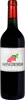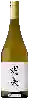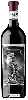
Winery Fernando CastroOrdate Reserva
 Red wine



In the mouth this red wine is a powerful.
This wine generally goes well with poultry, beef or veal.

Taste structure of the Ordate Reserva from the Winery Fernando Castro
Light | Bold | |
Smooth | Tannic | |
Dry | Sweet | |
Soft | Acidic |
In the mouth the Ordate Reserva of Winery Fernando Castro in the region of Rioja is a powerful.
Food and wine pairings with Ordate Reserva
Pairings that work perfectly with Ordate Reserva



Original food and wine pairings with Ordate Reserva

The Ordate Reserva of Winery Fernando Castro matches generally quite well with dishes of beef, pasta or veal such as recipes of roast beef with pepper, spaghetti with old-fashioned tomato sauce or roast veal with mustard cream.
Details and technical informations about Winery Fernando Castro's Ordate Reserva.
Discover the grape variety: Ortega
Aromatic, muscat-scented whites with a golden robe, full palate and moderate acidity. Intense aromas of muscat, yellow peach, apricot, white flowers, honey, candied citrus and soft spices. Produced as dry, sweet and Beerenauslese/Trockenbeerenauslese styles by noble rot. Early ripening; it signs the aromatic whites of Germany (Franconia, Rheinhessen), the UK and Canada. German variety created in 1948 in Würzburg.
Last vintages of this wine
The best vintages of Ordate Reserva from Winery Fernando Castro are 0
Informations about the Winery Fernando Castro
The Winery Fernando Castro is one of of the world's great estates. It offers 94 wines for sale in the of Rioja to come and discover on site or to buy online.

The wine region of Rioja
Star of great Spanish reds: signature Tempranillo, elegant and complex, with notes of ripe cherry, plum, leather, vanilla and tobacco from American oak ageing. Classification by age: fruity Joven, balanced Crianza, ample Reserva, deep, silky Gran Reserva (5 years, 2 in barrel). Some fresh Viura whites and generous rosés. Spain's first DOCa (1991), 3 sub-zones (Alta, Alavesa, Oriental), 93.
The word of the wine: Solera
A method of maturing practiced in Andalusia for certain sherries, which aims to continuously blend older and younger wines. It consists of stacking several layers of barrels; those located at ground level (solera) contain the oldest wines, the youngest being stored in the barrels on the upper level. The wine to be bottled is taken from the barrels on the lower level, which is replaced by younger wine from the upper level, and so on.