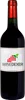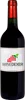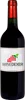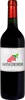
Bodegas Buten - CraterMagma de Crater Blanco
 wine
wine
This wine generally goes well with
The Magma de Crater Blanco of the Bodegas Buten - Crater is in the top 0 of wines of Tacoronte-Acentejo.

Details and technical informations about Bodegas Buten - Crater's Magma de Crater Blanco.
Discover the grape variety: Bouquettraube
Aromatic sweet and off-dry whites with a pale golden robe, a fragrant and fresh palate with preserved acidity, intense signature musky aromas (fresh grapes, rose), white flowers and spiced notes. Seductive aromatic profile. Grown on small surfaces in Germany and South Africa, mainly serves for aromatic sweet and off-dry whites. German white grape obtained in 1928 in Alzey by Georg Scheu, a crossing of Silvaner x Portugieser.
Informations about the Bodegas Buten - Crater
The Bodegas Buten - Crater is one of of the world's greatest estates. It offers 4 wines for sale in the of Tacoronte-Acentejo to come and discover on site or to buy online.

The wine region of Tacoronte-Acentejo
First DO of the Canary Islands (1992), north-east Tenerife, terraces on basaltic volcanic soils (100-1,000 m), pre-phylloxera ungrafted vines sometimes over a century old. Listan Negro signature indigenous red: fruity and spiced with notes of cherry, blackberry, raspberry, volcanic herbs, pepper and a smoky mineral touch, fine tannins and freshness — 100% island identity. Supple Negramoll complement. Listan Blanco, Moscatel and Malvasia in aromatic whites.
The wine region of Iles Canaries
Spanish vineyard archipelago spared by phylloxera, ~50 grape varieties of which 20 unique worldwide. Black volcanic soils and sub-tropical oceanic climate. Listán Negro in light, spicy red with signature notes of red cherry, wild strawberry, smoke, pepper and a volcanic mineral touch, fine tannins — an atypical style. Supple Negramoll, fresh Listán Blanco (citrus, flowers), aromatic Malvasía (candied orange, honey) historically famous.
The word of the wine: Thinning
Also known as green harvesting, the practice of removing excess bunches of grapes from certain vines, usually in July, but sometimes later. This is often necessary, but not always a good thing, as the remaining bunches often gain weight.