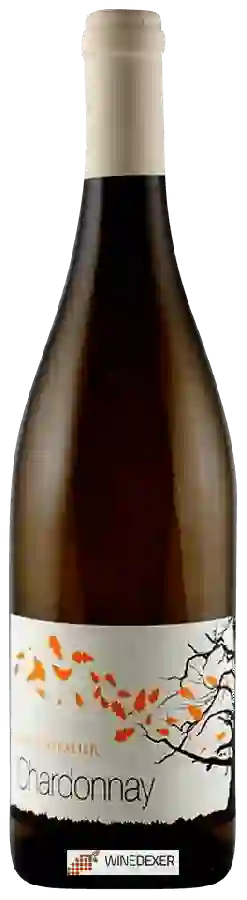
Winery Éric ChevalierChardonnay
 White wine



This wine is composed of 100% of the grape variety Chardonnay.
This wine generally goes well with pork, vegetarian or poultry.

Wine flavors and olphactive analysis





On the nose the Chardonnay of Winery Éric Chevalier in the region of Loire Valley often reveals types of flavors of oaky, citrus or apples and sometimes also flavors of peach, butter or green apple.
Food and wine pairings with Chardonnay
Pairings that work perfectly with Chardonnay



Original food and wine pairings with Chardonnay

The Chardonnay of Winery Éric Chevalier matches generally quite well with dishes of pork, rich fish (salmon, tuna etc) or vegetarian such as recipes of english breakfast, hawaiian poke bowl or magic cake cheese quiche.
Details and technical informations about Winery Éric Chevalier's Chardonnay.
Discover the grape variety: Chardonnay
Whites with many faces: mineral and taut at Chablis (lemon, green apple, flint), opulent and buttery at Meursault and Puligny-Montrachet (hazelnut, brioche, yellow fruits), tense and chalky in Champagne (Blanc de Blancs). Also vinified sparkling and widely exported (Sonoma, Margaret River, Casablanca). A Burgundian variety, a cross of Pinot Noir × Gouais Blanc, half-sibling of Aligoté.
Last vintages of this wine
The best vintages of Chardonnay from Winery Éric Chevalier are 2018, 2017, 2016, 2015 and 2014.
Informations about the Winery Éric Chevalier
The Winery Éric Chevalier is one of of the world's greatest estates. It offers 24 wines for sale in the of Loire Valley to come and discover on site or to buy online.

The wine region of Loire Valley
Kingdom of lively, dry whites and fine sparklers. Mineral, taut Sauvignon Blanc (Sancerre, Pouilly-Fumé) with citrus and gunflint notes. Multiform Chenin Blanc (Vouvray, Savennières, Layon): straight dry, floral off-dry or noble sweet honey-quince. Saline, iodised Muscadet (Melon B.
The word of the wine: Yellow wine
White wines from the Jura region aged in oak barrels without topping up for at least 6 years. A veil of yeast forms on the surface of the wine, which undergoes slow oxidation, giving it a particular taste reminiscent of nuts.