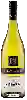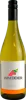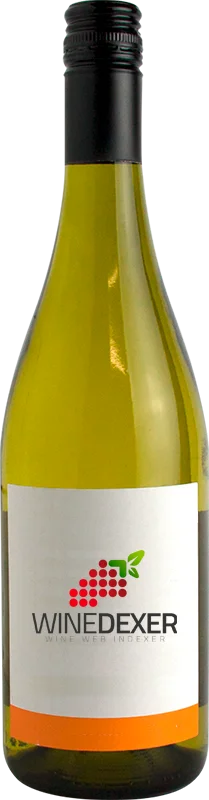
Winery EmandareSauvignon Blanc Estate Grown Cowichan Valley
 White wine


This wine generally goes well with vegetarian, rich fish (salmon, tuna etc) or shellfish.
Wine flavors and olphactive analysis

On the nose the Sauvignon Blanc Estate Grown Cowichan Valley of Winery Emandare in the region of British Columbia often reveals types of flavors of tree fruit.
Food and wine pairings with Sauvignon Blanc Estate Grown Cowichan Valley
Pairings that work perfectly with Sauvignon Blanc Estate Grown Cowichan Valley



Original food and wine pairings with Sauvignon Blanc Estate Grown Cowichan Valley
The Sauvignon Blanc Estate Grown Cowichan Valley of Winery Emandare matches generally quite well with dishes of rich fish (salmon, tuna etc), shellfish or vegetarian such as recipes of tuna provencal style, crab matoutou or vegan leek and tofu quiche.
Details and technical informations about Winery Emandare's Sauvignon Blanc Estate Grown Cowichan Valley.
Discover the grape variety: Krakhouna
It is believed to have originated in Georgia, where it is grown as both a table and wine grape. In France it is not known.
Last vintages of this wine
The best vintages of Sauvignon Blanc Estate Grown Cowichan Valley from Winery Emandare are 2014, 0
Informations about the Winery Emandare
The Winery Emandare is one of of the world's greatest estates. It offers 6 wines for sale in the of British Columbia to come and discover on site or to buy online.

The wine region of British Columbia
British Columbia is Canada's westernmost province, located on the edge of the Pacific Ocean. The diversity of landscapes here – from rainy islands to desert-like valley floors – means that a wide variety of Grapes are planted here. They include Chardonnay, Pinot Noir and Riesling, as well as Cabernet Sauvignon and Merlot. While volumes are lower than those of the province of Ontario, British Columbia is home to a rapidly growing wine industry.
The word of the wine: Muscat blanc à petits grains
A white grape variety cultivated since antiquity on the shores of the Mediterranean, it is considered the noblest of the muscats. It is mainly used to make sweet wines, often from mutage. In France, it is the sole variety used in many natural sweet wines: muscat-de-frontignan, muscat-de-mireval, muscat-de-lunel, muscat-de-saint-jean-de-minervois, muscat-de-beaumes-de-venise, muscat-du-cap-corse. Combined with Muscat d'Alexandrie, it gives Muscat-de-Rivesaltes. It is also used to make sparkling white wines (clairette-de-die; moscato d'asti and asti spumante in Italy) and dry wines (alsace-muscat). Powerfully aromatic and complex, its wines evoke fresh grapes, roses, exotic fruits, citrus fruits and spices.