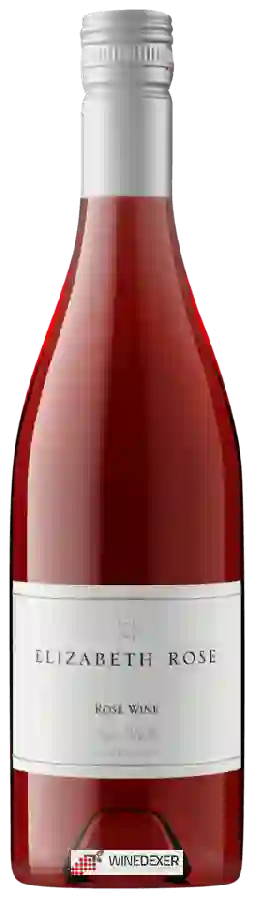
Winery Elizabeth RoseRosé
 Pink wine



This wine generally goes well with beef, lamb or mature and hard cheese.
Food and wine pairings with Rosé
Pairings that work perfectly with Rosé



Original food and wine pairings with Rosé

The Rosé of Winery Elizabeth Rose matches generally quite well with dishes of beef, lamb or spicy food such as recipes of pork tongue with tomato sauce and pickles, lamb tagine with figs or island grouper.
Details and technical informations about Winery Elizabeth Rose's Rosé.
Discover the grape variety: Guillemot
Most certainly from Béarn. It should not be confused with the blancard - or palougue - because they both have the same synonym coer de baco. The Guillemot is practically no longer present in the vineyard and is therefore on the verge of extinction. According to published genetic analyses, it is the result of a natural cross between the Manseng Noir and the Verjuice. For more information on other relatives, click here !
Last vintages of this wine
The best vintages of Rosé from Winery Elizabeth Rose are 0
Informations about the Winery Elizabeth Rose
The Winery Elizabeth Rose is one of of the world's greatest estates. It offers 8 wines for sale in the of Napa Valley to come and discover on site or to buy online.

The wine region of Napa Valley
The wine region of Napa Valley is located in the region of Napa County of California of United States. We currently count 2527 estates and châteaux in the of Napa Valley, producing 7716 different wines in conventional, organic and biodynamic agriculture. The wines of Napa Valley go well with generally quite well with dishes .
The wine region of California
California is the largest and most important wine region in the United States. It represents the southern two-thirds (850 miles or 1,370 kilometers) of the country's west coast. (Oregon and Washington make up the rest. ) The state also spans nearly 10 degrees of latitude.
The word of the wine: Great wine
In the Bordeaux vineyards, the grand vin is the main wine of the château, although a "second wine" is usually produced. It is a wine of lesser ageing made from the youngest vines.