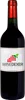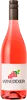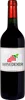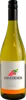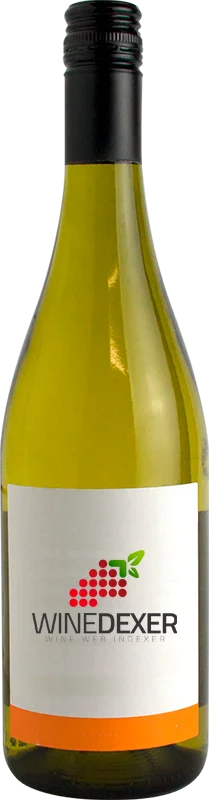
Winery DuvivierLe Bessillon Blanc
 White wine



This wine is a blend of 2 varietals which are the Clairette and the Vermentino.
This wine generally goes well with

Details and technical informations about Winery Duvivier's Le Bessillon Blanc.
Discover the grape variety: Clairette
Vibrant and fresh rosés and clairets with a pale robe and tender mouth, featuring aromas of white flowers, citrus, fennel and delicate anise notes. Moderate acidity, light finish. A pink-skinned mutation of clairette blanche, occasionally blended into Provençal and Languedoc rosés. Clairette blanche signs Clairette de Die, Clairette du Languedoc AOC and enters Châteauneuf-du-Pape whites. Native southern French grape.
Informations about the Winery Duvivier
The Winery Duvivier is one of of the world's great estates. It offers 25 wines for sale in the of Var to come and discover on site or to buy online.

The wine region of Var
Vast Provençal IGP in the hinterland of the Côte d'Azur: signature Grenache, Cinsault, Syrah and Tibouren as royal rosés — pale and fruity with notes of peach, citrus, strawberry, white flowers and a hint of spice, signature chiselled freshness, the regional flagship. Mourbèdre and Carignan in sun-drenched reds (cherry, garrigue). Vermentino, Ugni Blanc and Clairette in floral whites. IGP, sunny Mediterranean, limestone and schist soils, cleansing mistral.
The wine region of Méditerranée
Vast IGP of south-east France (Provence, Vaucluse, Var, Corsica, Ardèche), 75% rosés. Fresh, fruity rosés with signature notes of strawberry, raspberry, citrus, white flowers and a Mediterranean touch, taut and thirst-quenching on the palate — the quintessential sunny aperitif. Supple reds blending Grenache, Syrah, Cabernet and Merlot (red fruits, garrigue, spice), full whites of Viognier (apricot, flowers) and Chardonnay. Generous everyday wines, expression of the south.
The word of the wine: Maturing (champagne)
After riddling, the bottles are stored on "point", upside down, with the neck of one bottle in the bottom of the other. The duration of this maturation is very important: in contact with the dead yeasts, the wine takes on subtle aromas and gains in roundness and fatness. A brut without year must remain at least 15 months in the cellar after bottling, a vintage 36 months.