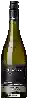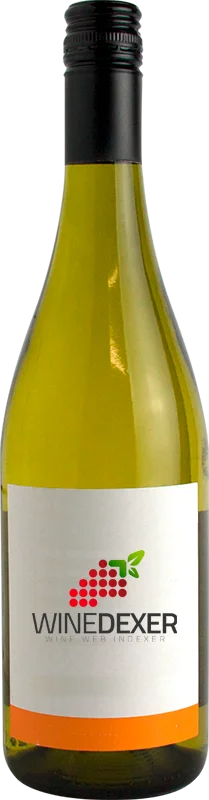
Winery Dr. RenwickSauvignon Blanc
 White wine


In the mouth this white wine is a with a nice freshness.
This wine generally goes well with vegetarian, shellfish or goat cheese.
Taste structure of the Sauvignon Blanc from the Winery Dr. Renwick
Light | Bold | |
Dry | Sweet | |
Soft | Acidic |
In the mouth the Sauvignon Blanc of Winery Dr. Renwick in the region of South Island is a with a nice freshness.
Food and wine pairings with Sauvignon Blanc
Pairings that work perfectly with Sauvignon Blanc


Original food and wine pairings with Sauvignon Blanc
The Sauvignon Blanc of Winery Dr. Renwick matches generally quite well with dishes of shellfish, vegetarian or goat cheese such as recipes of mussels with white wine and tomato, broccoli and blue cheese quiche without pastry or alex's salmon and goat cheese omelette.
Details and technical informations about Winery Dr. Renwick's Sauvignon Blanc.
Discover the grape variety: Petit Bouschet
Crossbreeding carried out in 1829 by Louis Bouschet de Bernard (father of Henri Bouschet, also known for his numerous varieties) between the aramon and the teinturier. It was practically multiplied all over the world. Today, it is an extinct grape variety and can only be found in a few private or public collections and conservatories.
Last vintages of this wine
The best vintages of Sauvignon Blanc from Winery Dr. Renwick are 0
Informations about the Winery Dr. Renwick
The Winery Dr. Renwick is one of of the world's greatest estates. It offers 2 wines for sale in the of South Island to come and discover on site or to buy online.

The wine region of South Island
Central Otago, near the bottom of New Zealand's South Island, vies for the title of world's most southerly wine region. Vineyards cling to the sides of mountains and high above river gorges in this dramatic landscape. Pinot Noir has proven itself in this challenging Terroir, and takes up nearly three-quarters of the region's vineyard area. The typical Central Otago Pinot Noir is intense and deeply colored, with flavors of doris plum, Sweet spice and bramble.
The word of the wine: Amylic
Aroma reminiscent of banana, candy, and sometimes nail polish, particularly present in primeur wines. The amylic taste is reminiscent of the aromas of industrial confectionery and does not reflect a great expression of terroir.