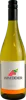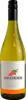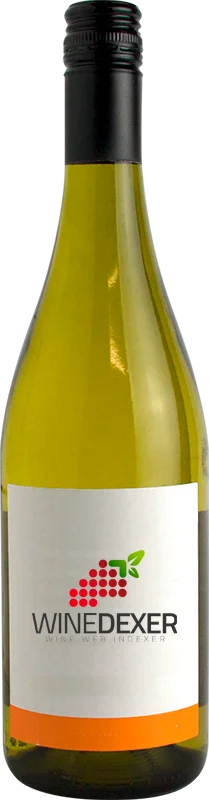
Weingut Dr Leimbrock-C SchmidtWeissburgunder Trocken
 White wine
In the mouth this white wine is a with a nice freshness.
This wine generally goes well with rich fish (salmon, tuna etc), shellfish or mild and soft cheese.
Taste structure of the Weissburgunder Trocken from the Weingut Dr Leimbrock-C Schmidt
Light | Bold | |
Dry | Sweet | |
Soft | Acidic |
In the mouth the Weissburgunder Trocken of Weingut Dr Leimbrock-C Schmidt in the region of Mosel is a with a nice freshness.
Food and wine pairings with Weissburgunder Trocken
Pairings that work perfectly with Weissburgunder Trocken



Original food and wine pairings with Weissburgunder Trocken

The Weissburgunder Trocken of Weingut Dr Leimbrock-C Schmidt matches generally quite well with dishes of rich fish (salmon, tuna etc), shellfish or mild and soft cheese such as recipes of mackerel with quick mustard, mussels with cream or quick smoked salmon croque-monsieur.
Details and technical informations about Weingut Dr Leimbrock-C Schmidt's Weissburgunder Trocken.
Discover the grape variety: Allison seedless
American, intraspecific crossing between the red globe and the princess obtained in 2000 by the Sheehan genetics (California). It can be found in the United States, South Africa, Spain, Italy, ... almost unknown in France because of a very late maturity.
Informations about the Weingut Dr Leimbrock-C Schmidt
The Weingut Dr Leimbrock-C Schmidt is one of of the world's great estates. It offers 27 wines for sale in the of Mosel to come and discover on site or to buy online.

The wine region of Mosel
Mosel is the most famous of Germany's 13 official wine regions, and also the third largest in terms of production. As with many German regions, it is most aasociated with a range of wine styles made from the Riesling grape variety, but Müller-Thurgau is also widely planted. The best Mosel Riesling wines are some of the finest whites in the world. Light and low in Alcohol, they can be intensely fragrant with beguiling Floral">floral and Mineral notes, and a wonderful Balance of sweetness and Acidity.
The word of the wine: Deposit
Solid particles that can naturally coat the bottom of a bottle of wine. It is rather a guarantee that the wine has not been mistreated: in fact, to avoid the natural deposit, rather violent processes of filtration or cold passage (- 7 or - 8 °C) are used in order to precipitate the tartar (the small white crystals that some people confuse with crystallized sugar: just taste to dissuade you from it)