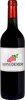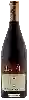
Winery Dr. Hubert GänzBlauer Spätburgunder Auslese Trocken
 Red wine
In the mouth this red wine is a with a nice freshness.
This wine generally goes well with poultry, beef or veal.

Taste structure of the Blauer Spätburgunder Auslese Trocken from the Winery Dr. Hubert Gänz
Light | Bold | |
Smooth | Tannic | |
Dry | Sweet | |
Soft | Acidic |
In the mouth the Blauer Spätburgunder Auslese Trocken of Winery Dr. Hubert Gänz in the region of Nahe is a with a nice freshness.
Food and wine pairings with Blauer Spätburgunder Auslese Trocken
Pairings that work perfectly with Blauer Spätburgunder Auslese Trocken



Original food and wine pairings with Blauer Spätburgunder Auslese Trocken

The Blauer Spätburgunder Auslese Trocken of Winery Dr. Hubert Gänz matches generally quite well with dishes of beef, veal or game (deer, venison) such as recipes of beef stew provencal style, duck breast with black figs or duck breast with goat cheese and local ham.
Details and technical informations about Winery Dr. Hubert Gänz's Blauer Spätburgunder Auslese Trocken.
Discover the grape variety: Pinot lièbault
Supple and fruity reds with a ruby hue, smooth tannins and an airy palate with fresh acidity, featuring signature aromas of red fruits (cherry, raspberry), floral notes and gentle spices. Burgundian profile, later and more productive than classic Pinot Noir. Now almost extinct, it survives in a few old Burgundy vines and in variety conservation collections. Ancient variety of Pinot Noir selected by Charles Liébault in the 19th century in Burgundy.
Informations about the Winery Dr. Hubert Gänz
The Winery Dr. Hubert Gänz is one of of the world's great estates. It offers 40 wines for sale in the of Nahe to come and discover on site or to buy online.

The wine region of Nahe
Homeland of a mineral Riesling of exceptional geological expression: lively, precise whites with notes of peach, citrus, green apple, gunflint and fine salinity, from taut dry to botrytised sweet. 75% whites, Riesling king (27%) complemented by round Pinot Gris and supple Pinot Blanc. Rising reds: silky Spätburgunder with red fruit, darker Dornfelder. 4,240 ha along the Nahe river, among the most diverse soils in Germany (180 formations).
The word of the wine: Liqueur wine
Unfermented must with added brandy, also called liqueur wine: Pineau des Charentes, Floc de Gascogne, Macvin du Jura, Ratafia, Cartagène du Languedoc.