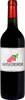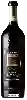
Winery Dos Dei CaporaiMes e Mes Extra Brut
 wine
wine
This wine generally goes well with
The Mes e Mes Extra Brut of the Winery Dos Dei Caporai is in the top 0 of wines of Veneto.
Details and technical informations about Winery Dos Dei Caporai's Mes e Mes Extra Brut.
Discover the grape variety: Gringet
Gringet is an ancient grape variety. It comes from the Arve valley, in Haute Savoie. It is very similar to Savagnin. This white grape variety has small bunches. Its berries are small, round and have a yellow-green skin that turns golden yellow when ripe. Generally, the gringet opens 10 days after the chasselas. Its production remains reasonable. Due to its drooping growth habit, it is recommended that this variety be trained and pruned short, as it is very sensitive to mildew and also fears erinosis and powdery mildew. It is one of those grape varieties that have an average second ripening period. It produces a wine that is light and lively at the same time, with some floral notes. It can also be used to make sparkling or semi-sparkling wines.
Last vintages of this wine



The best vintages of Mes e Mes Extra Brut from Winery Dos Dei Caporai are 0
Informations about the Winery Dos Dei Caporai
The Winery Dos Dei Caporai is one of of the world's greatest estates. It offers 3 wines for sale in the of Veneto to come and discover on site or to buy online.

The wine region of Veneto
Veneto is an important and growing wine region in northeastern Italy. Veneto is administratively Part of the Triveneto area, aLong with its smaller neighbors, Trentino-Alto Adige and Friuli-Venezia Giulia. In terms of geography, culture and wine styles, it represents a transition from the Alpine and Germanic-Slavic end of Italy to the warmer, drier, more Roman lands to the South. Veneto is slightly smaller than the other major Italian wine regions - Piedmont, Tuscany, Lombardy, Puglia and Sicily - but it produces more wine than any of them.
The word of the wine: Chaptalization
The addition of sugar at the time of fermentation of the must, an ancient practice, but theorized by Jean-Antoine Chaptal at the dawn of the 19th century. The sugar is transformed into alcohol and allows the natural degree of the wine to be raised in a weak or cold year, or - more questionably - when the winegrower has a harvest that is too large to obtain good maturity.