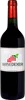
Winery Dorst et ConsortenCuvée de Promenade
 wine
wine
This wine generally goes well with
The Cuvée de Promenade of the Winery Dorst et Consorten is in the top 0 of wines of Pfalz.
Details and technical informations about Winery Dorst et Consorten's Cuvée de Promenade.
Discover the grape variety: Alicante Bouschet
It is a crossbreed made in 1855 by Louis and Henri Bouschet from an intraspecific crossing between Grenache noir and Petit Bouschet. The Alicante Henri Bouschet is less and less multiplied, registered however in the Official Catalogue of the varieties of vine of wine grapes list A.
Informations about the Winery Dorst et Consorten
The Winery Dorst et Consorten is one of of the world's great estates. It offers 19 wines for sale in the of Pfalz to come and discover on site or to buy online.

The wine region of Pfalz
Pfalz is a key wine producing region in western Germany, located between the Rhein/Rhine river and the low-lying Haardt mountain range (a natural continuation of the Alsatian Vosges). It covers a rectangle of land 45 miles (75km) Long and 15 miles (25km) wide. To the NorthLiesRheinhessen; to the South, the French border and Alsace. In terms of both quality and quantity, Pfalz is one of Germany's most important regions, and one which shows great promise for the future.
The word of the wine: VDN
Natural sweet wine. Wine obtained by mutage of the must during fermentation by adding over-finished alcohol at 96 °, produced in the vineyards of Roussillon, Languedoc, Rhone Valley and Corsica.