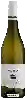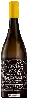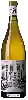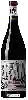
Winery DornierCabernet Franc
 wine
wine
This wine generally goes well with
The Cabernet Franc of the Winery Dornier is in the top 0 of wines of Stellenbosch.

Details and technical informations about Winery Dornier's Cabernet Franc.
Discover the grape variety: Black Muscat
Opulent and perfumed sweet and fortified wines with a dark ruby robe, a dense and unctuous palate, showing intense muscat signature aromas (rose, fresh grape), candied red fruits (cherry, strawberry), honey and gentle spices. Also an aromatic table grape. Grown in Australia (Rutherglen), California, South Africa and the Mediterranean for sweet fortified wines. Aromatic black grape obtained in 1837 in England, Muscat of Alexandria × Schiava Grossa, also known as Muscat of Hamburg.
Informations about the Winery Dornier
The Winery Dornier is one of of the world's great estates. It offers 34 wines for sale in the of Stellenbosch to come and discover on site or to buy online.

The wine region of Stellenbosch
Showcase of the South African vineyard: signature Cabernet Sauvignon as king red — structured and age-worthy with notes of blackcurrant, blackberry, cedar, tobacco and a menthol touch, firm tannins. Emblematic national Pinotage (created 1925) opulent and smoky (blackberry, coffee, leather). Fleshy Shiraz, supple Merlot as complement. Vibrant Chenin Blanc, ample Chardonnay and lively Sauvignon in whites.
The wine region of Western Cape
Cradle of South African wine. Signature Chenin Blanc (Steen, 20%) in ample, fresh whites with notes of quince, yellow apple, honey and acacia flower, from crisp dry to sweet. Sharp, iodised Sauvignon Blanc (Walker Bay, Constantia), balanced Chardonnay. Reds: emblematic Pinotage with roasted aromas (coffee, plum, smoke), firm Cabernet Sauvignon, spicy Syrah.
The word of the wine: Liqueur wine
Unfermented must with added brandy, also called liqueur wine: Pineau des Charentes, Floc de Gascogne, Macvin du Jura, Ratafia, Cartagène du Languedoc.