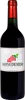
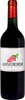
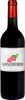
Winery Don DomenicoMartina Chapanay La Indomable
 Red wine


This wine generally goes well with
Details and technical informations about Winery Don Domenico's Martina Chapanay La Indomable.
Discover the grape variety: Calitor
Calitor is a black grape variety of Provençal origin that is not widely grown in France. It is only cultivated on a little more than a hundred hectares in total. The main characteristic of this variety is its bent stalk. Its adult leaves have 5 lobes and angular teeth. The leaf blade is both pubescent and downy. The young leaves have a pinkish tinge, especially in autumn. They are also downy. The tip of the calitor branch is cottony. Calitor is a recommended grape variety in the departments of Vaucluse and Var and is authorized in others such as Gard, Drôme and Ardèche. It has two variants, namely the grey calitor and the white calitor. The calitor is matured only 35 days after the chasselas but it is very productive. It appreciates hot and dry soils. This variety is resistant to oidium, but it remains sensitive to grey rot and mildew. Calitor produces a light, low-alcohol wine with little colour.
Last vintages of this wine
The best vintages of Martina Chapanay La Indomable from Winery Don Domenico are 0
Informations about the Winery Don Domenico
The Winery Don Domenico is one of of the world's greatest estates. It offers 16 wines for sale in the of San Juan to come and discover on site or to buy online.

The wine region of San Juan
San Juan is an important Argentinean wine-producing area, producing wines of increasing quality using traditional European Grape varieties. The wine region of San Juan covers the administrative area of the same name in the north-western corner of Argentina. The province sits between Mendoza and La Rioja, and is almost entirely contained within the mountainous foothills of the Andes. In terms of production Volume, San Juan is Argentina's second-largest wine region after Mendoza.
The word of the wine: Deposit
Solid particles that can naturally coat the bottom of a bottle of wine. It is rather a guarantee that the wine has not been mistreated: in fact, to avoid the natural deposit, rather violent processes of filtration or cold passage (- 7 or - 8 °C) are used in order to precipitate the tartar (the small white crystals that some people confuse with crystallized sugar: just taste to dissuade you from it)