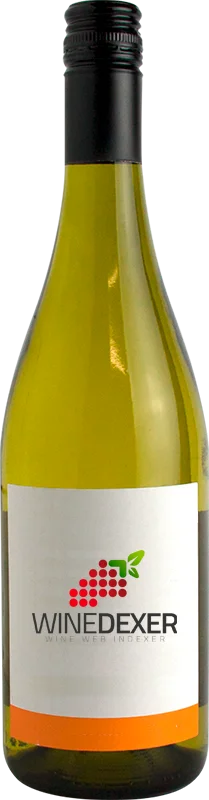
Domaine SteinerMuscat Alsace Grand Cru 'Hatschbourg'
 White wine
This wine generally goes well with spicy food and sweet desserts.
Food and wine pairings with Muscat Alsace Grand Cru 'Hatschbourg'
Pairings that work perfectly with Muscat Alsace Grand Cru 'Hatschbourg'


Original food and wine pairings with Muscat Alsace Grand Cru 'Hatschbourg'
The Muscat Alsace Grand Cru 'Hatschbourg' of Domaine Steiner matches generally quite well with dishes of shellfish, vegetarian or lean fish such as recipes of mussels with curry, mushroom, bacon and gruyere quiche or quick brandade.
Details and technical informations about Domaine Steiner's Muscat Alsace Grand Cru 'Hatschbourg'.
Discover the grape variety: Chambourcin
Chambourcin noir is a grape variety that originated in France (Rhône-Alpes valley). It is a variety resulting from a cross of the same species (interspecific hybridization). It produces a variety of grape specially used for wine making. It is rare to find this grape to eat on our tables. This variety of grape is characterized by large bunches of grapes of medium size. Chambourcin noir can be found in several vineyards: Rhone Valley, Loire Valley, Savoie & Bugey, Beaujolais, Languedoc & Roussillon, Armagnac, Provence & Corsica.
Informations about the Domaine Steiner
The Domaine Steiner is one of of the world's great estates. It offers 27 wines for sale in the of Alsace Grand Cru 'Hatschbourg' to come and discover on site or to buy online.

The wine region of Alsace Grand Cru 'Hatschbourg'
The wine region of Alsace Grand Cru 'Hatschbourg' is located in the region of Alsace Grand Cru of Alsace of France. Wineries and vineyards like the Domaine Ernest Wein or the Domaine Joseph Cattin produce mainly wines white and sweet. The most planted grape varieties in the region of Alsace Grand Cru 'Hatschbourg' are Pinot gris, Gewurztraminer and Riesling, they are then used in wines in blends or as a single variety. On the nose of Alsace Grand Cru 'Hatschbourg' often reveals types of flavors of microbio, spices or orange blossom and sometimes also flavors of mango, lychee or non oak.
The wine region of Alsace
Alsace, located in the extreme north-east of France, is Distinguished from other French wine regions by its strong Franco-Germanic influences. These influences are the result of a back-and-forth between the German and French sovereignties over the last few centuries. They can be seen not only in the architecture and culture of Alsace, but also in the wines. Alsace wines are produced under three main appellations: Alsace and Alsace Grand Cru for still white wines (Sweet and Dry), and Crémant d'Alsace for Sparkling wines.
The word of the wine: Tanin
A natural compound contained in the skin of the grape, the seed or the woody part of the bunch, the stalk. The maceration of red wines allows the extraction of tannins, which give the texture, the solidity and also the mellowness when the tannins are "ripe". The winemaker seeks above all to extract the tannins from the skin, the ripest and most noble. The tannins of the seed or stalk, which are "greener", especially in average years, give the wine hardness and astringency. The wines of Bordeaux (based on Cabernet and Merlot) are full of tannins, those of Burgundy much less so, with Pinot Noir containing little.