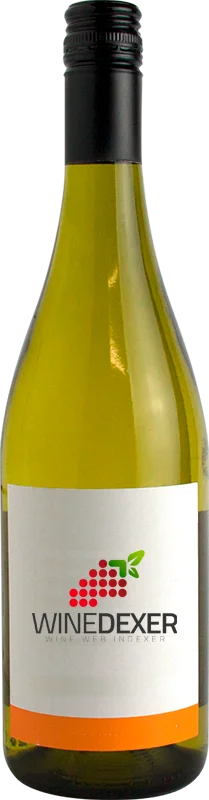
Domaine SoggaSauvignon Blanc
 White wine



This wine generally goes well with vegetarian, rich fish (salmon, tuna etc) or shellfish.
The Sauvignon Blanc of the Domaine Sogga is in the top 60 of wines of Nagano-ken.

Food and wine pairings with Sauvignon Blanc
Pairings that work perfectly with Sauvignon Blanc



Original food and wine pairings with Sauvignon Blanc
The Sauvignon Blanc of Domaine Sogga matches generally quite well with dishes of rich fish (salmon, tuna etc), shellfish or vegetarian such as recipes of leek and tuna pie, scallops or quiche with bacon and gruyère cheese.
Details and technical informations about Domaine Sogga's Sauvignon Blanc.
Discover the grape variety: Chenanson
Supple, fruity reds with intense ruby colour, soft tannins and a generous palate, showing aromas of red fruits (raspberry, cherry), plum, soft spices and Mediterranean notes. Approachable style to drink young. Grown in Languedoc-Roussillon and the south-east for Pays-d'Oc IGP and modern southern blends. French variety created in 1958 in Montpellier by Paul Truel (Grenache × Jurançon noir).
Last vintages of this wine
The best vintages of Sauvignon Blanc from Domaine Sogga are 2015, 2016, 2013, 2018 and 0.
Informations about the Domaine Sogga
The Domaine Sogga is one of of the world's great estates. It offers 72 wines for sale in the of Nagano-ken to come and discover on site or to buy online.

The wine region of Nagano-ken
Alpine wine prefecture of central Japan (Honshu), the 2nd national region, high-altitude vineyards (600-900 m). Signature Merlot of Kikyogahara: supple, precise reds with signature notes of plum, cherry, sweet herbs, cedar and a cocoa touch, round tannins and elegant freshness — rivalling the Bordeaux wines. Renowned broad, mineral Chardonnay, fine and silky Pinot Noir. Also historic hybrid grapes (Concord, Niagara).
The word of the wine: Tartar (deposit)
White, chalky deposits that occur as a result of precipitation inside bottles and are often considered by consumers as a defect. They are in fact tartaric salts formed by tartaric acid, potassium and calcium naturally present in the wine. This deposit does not alter the quality of the wine and can be eliminated by a simple decanting.