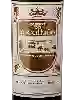
Winery SimonL’indomptable Rouge
 Red wine


This wine generally goes well with beef and spicy food.
Food and wine pairings with L’indomptable Rouge
Pairings that work perfectly with L’indomptable Rouge


Original food and wine pairings with L’indomptable Rouge
The L’indomptable Rouge of Winery Simon matches generally quite well with dishes of beef or spicy food such as recipes of burger roll or chicken tikka massala.
Details and technical informations about Winery Simon's L’indomptable Rouge.
Discover the grape variety: Suffolk red
Interspecific crossing between the fredonia or early concord and the black monukka - the latter also being called russian seedless or black kischmish - obtained in 1935 by John Einset (1915/1981) at the Agricultural Experimental Station of the State of New-York (United States) ... practically unknown in France except for amateur gardeners, registered however in the Official Catalogue of the varieties of grapevine of table A2 list. Note that it has concord and isabelle as parents.
Last vintages of this wine
The best vintages of L’indomptable Rouge from Winery Simon are 0
Informations about the Winery Simon
The Winery Simon is one of of the world's greatest estates. It offers 9 wines for sale in the of Vin de France to come and discover on site or to buy online.

The wine region of Vin de France
Vin de France is the most basic level of quality for wines from France. These are generally uncomplicated everyday drinks - most often blends, but perhaps also Varietal wines based on a well-known Grape variety such as Cabernet Sauvignon, Merlot, Chardonnay or Sauvignon Blanc. Wines from France are those that do not meet the criteria stipulated by the Protected Designation of Origin (PDO) or Protected Geographical Indication (PGI) laws (see information on French wine labels). This may be because the vineyards are outside the delimited production areas or because the grape varieties or winemaking techniques used do not conform to the rules of the local appellations.
The word of the wine: Drain
Stopper, originally made of wood, used to plug barrels and more generally all wooden containers used to store or mature wine.