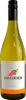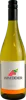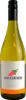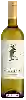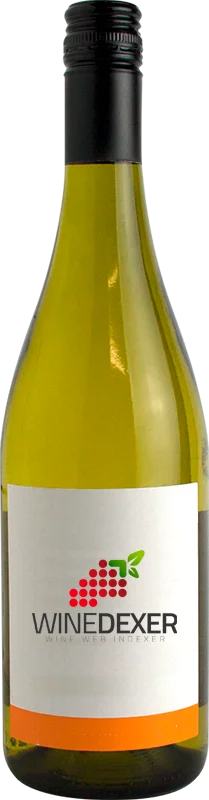
Domaine PeirièrePlatinum Sauvignon Sur Lie
 White wine



In the mouth this white wine is a .
This wine generally goes well with vegetarian, poultry or lean fish.

Taste structure of the Platinum Sauvignon Sur Lie from the Domaine Peirière
Light | Bold | |
Dry | Sweet | |
Soft | Acidic |
In the mouth the Platinum Sauvignon Sur Lie of Domaine Peirière in the region of Pays d'Oc is a .
Food and wine pairings with Platinum Sauvignon Sur Lie
Pairings that work perfectly with Platinum Sauvignon Sur Lie



Original food and wine pairings with Platinum Sauvignon Sur Lie


The Platinum Sauvignon Sur Lie of Domaine Peirière matches generally quite well with dishes of pasta, vegetarian or poultry such as recipes of goat cheese and spinach lasagne, goat cheese and bacon quiche or spicy crispy chicken.
Details and technical informations about Domaine Peirière's Platinum Sauvignon Sur Lie.
Discover the grape variety: Foch
Colourful and simply fruity reds with a deep purple hue, silky tannins and an airy palate with preserved acidity, featuring aromas of black fruits (blackcurrant, blackberry), spices and smoky notes. Cold- and mildew-resistant. Grown mainly in Canada (Quebec, Nova Scotia, Ontario) and the north-eastern United States for vineyards with a rigorous continental climate. Black hybrid grape (synonym Maréchal Foch), obtained in 1911 by Eugène Kuhlmann in Alsace.
Informations about the Domaine Peirière
The Domaine Peirière is one of of the world's greatest estates. It offers 33 wines for sale in the of Pays d'Oc to come and discover on site or to buy online.

The wine region of Pays d'Oc
The single-grape IGP par excellence: modern, accessible, frank and fruity wines, the popular signature of the Midi. Spicy Syrah reds (pepper, blackberry), round Merlot, structured Cabernet, generous Grenache, supple Cinsault. Crisp, tangy rosés. Opulent Chardonnay whites, lively Sauvignon, floral, apricoty Viognier.
The word of the wine: Thick
Said of a heavy, pasty wine lacking in finesse.