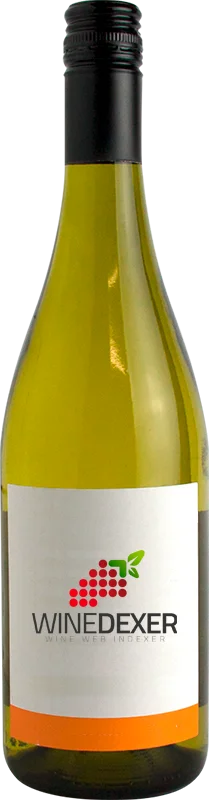
Winery MoroSauvignon
 White wine
In the mouth this white wine is a with a nice freshness.
This wine generally goes well with vegetarian, appetizers and snacks or lean fish.

Taste structure of the Sauvignon from the Winery Moro
Light | Bold | |
Dry | Sweet | |
Soft | Acidic |
In the mouth the Sauvignon of Winery Moro in the region of Tuscany is a with a nice freshness.
Food and wine pairings with Sauvignon
Pairings that work perfectly with Sauvignon



Original food and wine pairings with Sauvignon


The Sauvignon of Winery Moro matches generally quite well with dishes of pasta, vegetarian or appetizers and snacks such as recipes of pistou soup complete, quiche with leeks and fresh salmon from flo or preparation of the green olives.
Details and technical informations about Winery Moro's Sauvignon.
Discover the grape variety: Gringet
Elegant, taut dry whites and sparkling wines with a pale golden colour, a slender palate and crisp alpine acidity, showing refined aromas of citrus (lemon), white flowers (acacia), pear, dried fruits and limestone mineral notes. A crystalline mountain character. Star of Ayze AOC in the Arve valley in still and sparkling styles, rare artisan cuvées. Savoyard indigenous variety related to Jurassian Savagnin, synonym of Roussette d'Ayze.
Informations about the Winery Moro
The Winery Moro is one of of the world's greatest estates. It offers 7 wines for sale in the of Tuscany to come and discover on site or to buy online.

The wine region of Tuscany
Kingdom of Sangiovese: upright reds with cherry, plum, dried herbs and leather, lively acidity and firm tannins. Fleshy, food-friendly Chianti Classico DOCG, deep long-ageing Brunello di Montalcino (spice, tobacco, ripe black fruit), elegant Vino Nobile di Montepulciano. On the coast, Bolgheri crafts the opulent Cabernet- and Merlot-based 'Super Tuscans'. Some fresh white Vernaccia.
The word of the wine: Musty (taste of)
A disgusting taste due to a defect in the grapes or, more commonly, a defect in the barrel.









