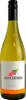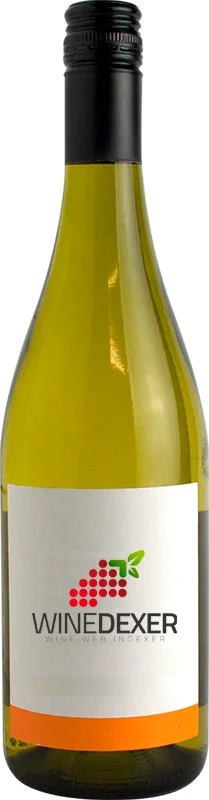
Winery Kilómetro 49Torrontés
 White wine


In the mouth this white wine is a .
This wine generally goes well with vegetarian, spicy food or aperitif.
Taste structure of the Torrontés from the Winery Kilómetro 49
Light | Bold | |
Dry | Sweet | |
Soft | Acidic |
In the mouth the Torrontés of Winery Kilómetro 49 in the region of Mendoza is a .
Food and wine pairings with Torrontés
Pairings that work perfectly with Torrontés



Original food and wine pairings with Torrontés
The Torrontés of Winery Kilómetro 49 matches generally quite well with dishes of spicy food, vegetarian or aperitif such as recipes of chicken colombo, summer tuna quiche or steamed carrots with saffron.
Details and technical informations about Winery Kilómetro 49's Torrontés.
Discover the grape variety: Camaralet de Lasseube
The camaralet of Lasseube has its origins in the Pyrenees, in Bearn. It can be called gentil aromatique, petit camarau or moustardet. Its bunches are of medium size but its berries are small. The berries turn golden yellow when they reach maturity. This grape variety has two approved clones since 1998: 1023 and 1024. It occupies a little less than one hectare in France and is often vinified with other grape varieties such as lauzet and gros manseng. Camaralet de Lasseube is matured about twenty days after Chasselas. Its more or less compact and winged bunches are not affected by grey rot until after maturity. Its female flowers often expose this grape variety to significant risks of coulure, which makes it possible to obtain an alcoholic wine that is full-bodied but fine. Depending on the type, the aromas of the camaralet de Lasseube may recall fennel, pepper or cinnamon.
Last vintages of this wine
The best vintages of Torrontés from Winery Kilómetro 49 are 2017, 0
Informations about the Winery Kilómetro 49
The Winery Kilómetro 49 is one of of the world's greatest estates. It offers 3 wines for sale in the of Lujan de Cuyo to come and discover on site or to buy online.

The wine region of Lujan de Cuyo
Luján de Cuyo is a wine-producing sub-region of Argentina's largest viticultural area, Mendoza. Unsurprisingly, Malbec is the region's most-important grape variety, producing Bold, intensely flavored red wines. Excellent wines are also produced here from Cabernet Sauvignon, Chardonnay and Torrontés. Located in a valley just South of Mendoza City itself, the Luján de Cuyo region is home to some of the most famous names in Argentinean wine.
The wine region of Mendoza
Mendoza is by far the largest wine region in Argentina. Located on a high-altitude plateau at the edge of the Andes Mountains, the province is responsible for roughly 70 percent of the country's annual wine production. The French Grape variety Malbec has its New World home in the vineyards of Mendoza, producing red wines of great concentration and intensity. The province Lies on the western edge of Argentina, across the Andes Mountains from Chile.
The word of the wine: Gross
Champagne with between 6 and 15 grams of sugar (see dosage liqueur).