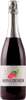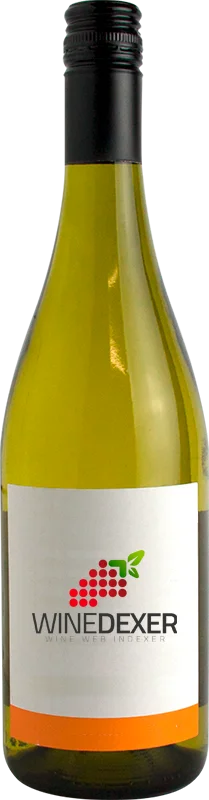
Winery Kilómetro 49Dulce Natural
 Sweet wine


This wine generally goes well with vegetarian, spicy food or aperitif.
Food and wine pairings with Dulce Natural
Pairings that work perfectly with Dulce Natural



Original food and wine pairings with Dulce Natural
The Dulce Natural of Winery Kilómetro 49 matches generally quite well with dishes of spicy food, vegetarian or aperitif such as recipes of shrimp risotto with curry, zucchini and goat cheese quiche or roasted bananas with cured ham.
Details and technical informations about Winery Kilómetro 49's Dulce Natural.
Discover the grape variety: Torrontés riojano
Most certainly of Argentine origin, very well known in this country, particularly in the Rioja and Salta regions. It is said to be the result of a cross between the Muscat d'Alexandrie and the Listan Prieto Noir, also known as Criolla Chica. We can note its resemblance with the torrontés sanjuanino, most certainly by the fact that it is also resulting from the same crossing. In Spain (Galicia), a grape variety bears the name of torrontés, it is most certainly the fernao Pires. Torrontés riojano is also present in Chile, but in France it is practically unknown.
Last vintages of this wine

The best vintages of Dulce Natural from Winery Kilómetro 49 are 2016, 0, 2017
Informations about the Winery Kilómetro 49
The Winery Kilómetro 49 is one of of the world's greatest estates. It offers 3 wines for sale in the of Lujan de Cuyo to come and discover on site or to buy online.

The wine region of Lujan de Cuyo
Luján de Cuyo is a wine-producing sub-region of Argentina's largest viticultural area, Mendoza. Unsurprisingly, Malbec is the region's most-important grape variety, producing Bold, intensely flavored red wines. Excellent wines are also produced here from Cabernet Sauvignon, Chardonnay and Torrontés. Located in a valley just South of Mendoza City itself, the Luján de Cuyo region is home to some of the most famous names in Argentinean wine.
The wine region of Mendoza
Mendoza is by far the largest wine region in Argentina. Located on a high-altitude plateau at the edge of the Andes Mountains, the province is responsible for roughly 70 percent of the country's annual wine production. The French Grape variety Malbec has its New World home in the vineyards of Mendoza, producing red wines of great concentration and intensity. The province Lies on the western edge of Argentina, across the Andes Mountains from Chile.
The word of the wine: Servadou iron
A black grape variety from the southwest that produces a wine with spicy tannins and black currant and raspberry aromas. Under the name of Mansois, it is the main grape variety of Marcillac; it is also one of the important varieties of Gaillacois, where it is called Braucol. It is also used in the blends of other South-Western appellations (Fronton, Lavilledieu, Estaing, Madiran). Syn.: braucol, pinenc, mansois.