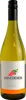
Domaine Jean-Marie HaagGourmandise Rosé
 Pink wine
This wine generally goes well with pork, poultry or veal.
Food and wine pairings with Gourmandise Rosé
Pairings that work perfectly with Gourmandise Rosé



Original food and wine pairings with Gourmandise Rosé


The Gourmandise Rosé of Domaine Jean-Marie Haag matches generally quite well with dishes of veal, pork or game (deer, venison) such as recipes of beef mironton, alsatian sauerkraut or duck breast with goat cheese and local ham.
Details and technical informations about Domaine Jean-Marie Haag's Gourmandise Rosé.
Discover the grape variety: Pinot noir
Pinot noir is an important red grape variety in Burgundy and Champagne, and its reputation is well known! Great wines such as the Domaine de la Romanée Conti elaborate their wines from this famous grape variety, and make it a great variety. When properly vinified, pinot noit produces red wines of great finesse, with a wide range of aromas depending on its advancement (fruit, undergrowth, leather). it is also the only red grape variety authorized in Alsace. Pinot Noir is not easily cultivated beyond our borders, although it has enjoyed some success in Oregon, the United States, Australia and New Zealand.
Informations about the Domaine Jean-Marie Haag
The Domaine Jean-Marie Haag is one of of the world's great estates. It offers 31 wines for sale in the of Alsace to come and discover on site or to buy online.

The wine region of Alsace
Alsace, located in the extreme north-east of France, is Distinguished from other French wine regions by its strong Franco-Germanic influences. These influences are the result of a back-and-forth between the German and French sovereignties over the last few centuries. They can be seen not only in the architecture and culture of Alsace, but also in the wines. Alsace wines are produced under three main appellations: Alsace and Alsace Grand Cru for still white wines (Sweet and Dry), and Crémant d'Alsace for Sparkling wines.
The word of the wine: Chopine
Small bottle with a capacity of 50 centilitres.