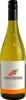
Domaine Heywang - Jean et Hubert HeywangMuscat
 White wine
This wine generally goes well with spicy food and sweet desserts.
Food and wine pairings with Muscat
Pairings that work perfectly with Muscat


Original food and wine pairings with Muscat
The Muscat of Domaine Heywang - Jean et Hubert Heywang matches generally quite well with dishes of spicy food or sweet desserts such as recipes of spaghetti all 'amatriciana or grandma's cherry clafoutis.
Details and technical informations about Domaine Heywang - Jean et Hubert Heywang's Muscat.
Discover the grape variety: Villard
Villard blanc is a grape variety that originated in France (Rhône-Alpes valley). It is a variety resulting from a cross of the same species (interspecific hybridization). It produces a variety of grape specially used for wine making. It is rare to find this grape to eat on our tables. It should be noted that this grape variety can also be used for the elaboration of eaux de vie. This variety of vine is characterized by large bunches and large grapes. The white Villard can be found in several vineyards: Provence & Corsica, Rhone Valley, Languedoc & Roussillon, Loire Valley, Savoie & Bugey, Beaujolais, Armagnac.
Informations about the Domaine Heywang - Jean et Hubert Heywang
The Domaine Heywang - Jean et Hubert Heywang is one of of the world's great estates. It offers 18 wines for sale in the of Alsace to come and discover on site or to buy online.

The wine region of Alsace
Alsace, located in the extreme north-east of France, is Distinguished from other French wine regions by its strong Franco-Germanic influences. These influences are the result of a back-and-forth between the German and French sovereignties over the last few centuries. They can be seen not only in the architecture and culture of Alsace, but also in the wines. Alsace wines are produced under three main appellations: Alsace and Alsace Grand Cru for still white wines (Sweet and Dry), and Crémant d'Alsace for Sparkling wines.
The word of the wine: Discharge
In the traditional method, elimination of the yeast deposit formed during the second fermentation in the bottle.