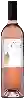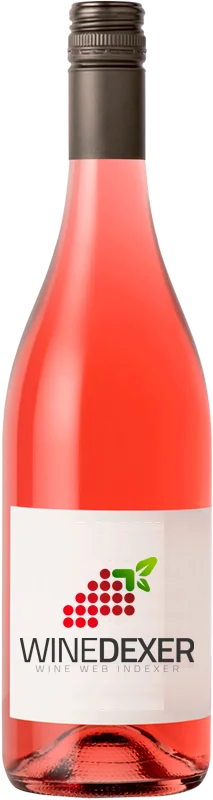
Domaine Gaspa d'OruRosé
 Pink wine


This wine is a blend of 2 varietals which are the Nielluccio and the Merlot.
This wine generally goes well with beef, game (deer, venison) or mature and hard cheese.
The Rosé of the Domaine Gaspa d'Oru is in the top 30 of wines of Ile de Beaute.

Food and wine pairings with Rosé
Pairings that work perfectly with Rosé



Original food and wine pairings with Rosé
The Rosé of Domaine Gaspa d'Oru matches generally quite well with dishes of beef, game (deer, venison) or mature and hard cheese such as recipes of venison stew to be prepared the day before, adapted vietnamese fondue or jack be little (mini pumpkin) egg casserole.
Details and technical informations about Domaine Gaspa d'Oru's Rosé.
Discover the grape variety: Nielluccio
Structured and elegant reds with a deep ruby colour, firm tannins and lively acidity, on aromas of cherry, plum, garrigue, Mediterranean herbs (myrtle, rosemary), spices and balsamic notes. Fine ageing potential. The absolute star of Patrimonio AOC on the clay-limestone marls of northern Corsica, a pillar of Ajaccio AOC and the island's reds. Genetically identical to Tuscan Sangiovese, brought to Corsica in the 18th century by the Genoese.
Last vintages of this wine

The best vintages of Rosé from Domaine Gaspa d'Oru are 2017, 2016, 2015
Informations about the Domaine Gaspa d'Oru
The Domaine Gaspa d'Oru is one of of the world's greatest estates. It offers 3 wines for sale in the of Ile de Beaute to come and discover on site or to buy online.

The wine region of Ile de Beaute
IGP covering all Corsica, complement to the 9 AOCs. Three noble natives as signatures. Powerful Niellucciu red (Sangiovese's brother) with signature notes of black cherry, blackberry, garrigue, leather and a spicy touch, firm tannins. Finer spicier Sciaccarellu (strawberry, pepper, maquis).
The word of the wine: Cep
Grapevine.