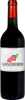
Domaine ForetLes Bois du Bas
 Red wine



This wine generally goes well with
Details and technical informations about Domaine Foret's Les Bois du Bas.
Discover the grape variety: Melnik
It is most certainly one of the oldest vitis vinifera varieties found mainly in the southwestern part of Bulgaria, and is not known elsewhere - except perhaps in neighbouring Greece and Macedonia - than in this country where it is recognized as endemic. It should not be confused with Ranna Melnishka Loza, also known as Melnik 55, which is the result of crosses between this Melnik and several known Vitis viniferas, including Valdiguié.
Last vintages of this wine
The best vintages of Les Bois du Bas from Domaine Foret are 2005, 0
Informations about the Domaine Foret
The Domaine Foret is one of of the world's greatest estates. It offers 14 wines for sale in the of Arbois to come and discover on site or to buy online.

The wine region of Arbois
The wine region of Arbois is located in the region of Côtes du Jura of Jura of France. Wineries and vineyards like the Domaine Rolet or the Domaine Bénédicte et Stéphane Tissot produce mainly wines white, red and sweet. The most planted grape varieties in the region of Arbois are Chardonnay, Trousseau and Poulsard, they are then used in wines in blends or as a single variety. On the nose of Arbois often reveals types of flavors of butter, orange peel or banana and sometimes also flavors of quince, sour cherry or black currant.
The wine region of Jura
The Jura is a small wine region in eastern France that is responsible for some very special and traditional wine styles. It is close to the Swiss Jura, but quite distinct from it. Wedged between Burgundy to the west and Switzerland to the east, the region is characterized by a landscape of Wooded hills and the winding topography of the Jura Mountains. The Jura vineyards cover just over 1,850 hectares, forming a narrow strip of land almost 80 km Long from North to South.
The word of the wine: Aging on lees
Maturing on the lees enhances the stability, aromatic complexity and texture of white wines, which gain in body and volume. This phenomenon is induced by autolysis, the process of self-degradation of the lees.