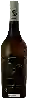
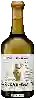
Domaine Durand PerronChâteau-Chalon
 Sweet wine


This wine generally goes well with
Wine flavors and olphactive analysis




On the nose the Château-Chalon of Domaine Durand Perron in the region of Jura often reveals types of flavors of non oak, earth or oak.
Details and technical informations about Domaine Durand Perron's Château-Chalon.
Discover the grape variety: Verjus
A very old grape variety, probably of southern origin, which was once found in many French regions including Picardy, it once abounded in the Seine basin and Burgundy, generally grown on trellises, arbors, against walls, etc. A very beautiful stump is now found climbing along the walls of the Reims Sciences Po Campus (Marne), given as being over 300 years old. It was also known in Italy, Germany, ... and well before the phylloxera crisis and because of its great vigour, it was customary to graft on "Verjus" varieties that lacked it. Today, it is on the verge of extinction, but it can be found among a few amateur gardeners who sometimes use it as an ornamental vine. Note that it has never been used as a wine grape because its wine is frankly bad.
Last vintages of this wine

The best vintages of Château-Chalon from Domaine Durand Perron are 2005, 2003, 2011, 2007
Informations about the Domaine Durand Perron
The Domaine Durand Perron is one of of the world's greatest estates. It offers 8 wines for sale in the of Château-Chalon to come and discover on site or to buy online.

The wine region of Château-Chalon
The wine region of Château-Chalon is located in the region of Côtes du Jura of Jura of France. Wineries and vineyards like the Domaine Jean Macle or the Domaine Bénédicte et Stéphane Tissot produce mainly wines white, sweet and red. The most planted grape varieties in the region of Château-Chalon are Pinot noir et Chardonnay, they are then used in wines in blends or as a single variety. On the nose of Château-Chalon often reveals types of flavors of smoke, vanilla or citrus and sometimes also flavors of minerality, apricot or ginger.
The wine region of Jura
The Jura is a small wine region in eastern France that is responsible for some very special and traditional wine styles. It is close to the Swiss Jura, but quite distinct from it. Wedged between Burgundy to the west and Switzerland to the east, the region is characterized by a landscape of Wooded hills and the winding topography of the Jura Mountains. The Jura vineyards cover just over 1,850 hectares, forming a narrow strip of land almost 80 km Long from North to South.
The word of the wine: Filling
Gentle transfer from one barrel to another to oxygenate the wine, eliminate some of the lees and reduce the carbon dioxide (fizz) that was released during the fermentations.