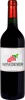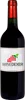
Domaine DesvabreLes Bastides
 Red wine



In the mouth this red wine is a powerful with a nice balance between acidity and tannins.
This wine generally goes well with beef, veal or pasta.

Taste structure of the Les Bastides from the Domaine Desvabre
Light | Bold | |
Smooth | Tannic | |
Dry | Sweet | |
Soft | Acidic |
In the mouth the Les Bastides of Domaine Desvabre in the region of Languedoc-Roussillon is a powerful with a nice balance between acidity and tannins.
Food and wine pairings with Les Bastides
Pairings that work perfectly with Les Bastides



Original food and wine pairings with Les Bastides
The Les Bastides of Domaine Desvabre matches generally quite well with dishes of beef, pasta or veal such as recipes of pot-au-feu, pasta with tuna and laughing cow or sauté of veal with chorizo.
Details and technical informations about Domaine Desvabre's Les Bastides.
Discover the grape variety: Corinto Nero
Small, intensely coloured seedless grapes, mainly destined for raisin production. More rarely vinified into confidential sweet and liqueur wines from the Aeolian Islands, with a dark colour, luscious palate and aromas of candied black fruit, raisins and spices. Grown in the Cyclades (island of Lipari) and southern Italy. A seedless mutation of the Corinth raisin, an ancient Greek black variety.
Last vintages of this wine
The best vintages of Les Bastides from Domaine Desvabre are 2017
Informations about the Domaine Desvabre
The Domaine Desvabre is one of of the world's greatest estates. It offers 12 wines for sale in the of Pic-Saint-Loup to come and discover on site or to buy online.

The wine region of Pic-Saint-Loup
Languedoc flagship AOC north of Montpellier, shaded by its emblematic peak: signature Syrah as king red (≥50%) with Grenache and Mourvèdre — deep robe with notes of blackcurrant, blackberry, blueberry, violet, garrigue, liquorice and spices, fine tannins and signature mineral freshness from altitude, long finish. Fresh, moreish rosés as backup. Autonomous AOC since 2017 (~1,200 ha), garrigue limestone terroirs, Mediterranean climate tempered by cool nights.
The wine region of Languedoc-Roussillon
Largest single French vineyard, dominated by sunny, generous reds. Spicy Syrah, candied Grenache (ripe fruit, garrigue), structured Carignan, deep Mourvèdre, supple Cinsault. Stars: structured Corbières, Minervois, Faugères, Saint-Chinian; round Côtes-du-Roussillon. Legendary vins doux naturels: Banyuls and Maury (fortified Grenache) with notes of cocoa, fig, prune.
The word of the wine: Maturing (champagne)
After riddling, the bottles are stored on "point", upside down, with the neck of one bottle in the bottom of the other. The duration of this maturation is very important: in contact with the dead yeasts, the wine takes on subtle aromas and gains in roundness and fatness. A brut without year must remain at least 15 months in the cellar after bottling, a vintage 36 months.