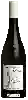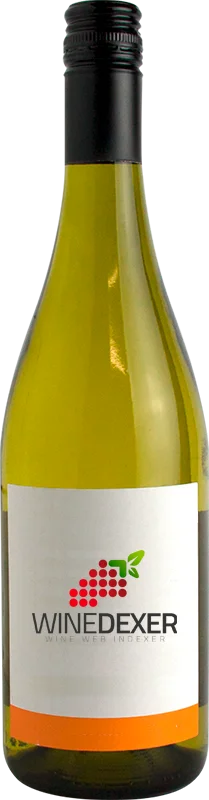
Domaine des GlycinesSaumur-Champigny Blanc
 White wine



This wine generally goes well with
The Saumur-Champigny Blanc of the Domaine des Glycines is in the top 80 of wines of Saumur-Champigny.

Details and technical informations about Domaine des Glycines's Saumur-Champigny Blanc.
Discover the grape variety: Malvasia di Casorzo
Sweet sparkling reds with a light ruby robe and rosy foam, smooth tannins and a sparkling, mellow palate, showing signature aromas of rose, violet, red fruits (strawberry, cherry) and intense floral notes. Also as passito. Star of the Malvasia di Casorzo DOC appellation, producing festive frizzante and passito wines from Piedmont. Black Malvasia variety grown near Casorzo in Piedmont.
Last vintages of this wine
The best vintages of Saumur-Champigny Blanc from Domaine des Glycines are 2012
Informations about the Domaine des Glycines
The Domaine des Glycines is one of of the world's greatest estates. It offers 4 wines for sale in the of Saumur-Champigny to come and discover on site or to buy online.

The wine region of Saumur-Champigny
Loire Cabernet Franc benchmark across 9 Saumur villages (clay-limestone slopes, mild oceanic climate): fine, velvety reds with vibrant cherry, raspberry, blackcurrant aromas plus floral and spicy notes, supple tannins, taut freshness and silky texture. Young wines lively and gourmand, ageworthy cuvées drift to undergrowth, leather and tobacco. Star red AOC of the Anjou-Saumur Loire, rare blend of immediate pleasure and ageing, signature Loire elegance.
The wine region of Loire Valley
Kingdom of lively, dry whites and fine sparklers. Mineral, taut Sauvignon Blanc (Sancerre, Pouilly-Fumé) with citrus and gunflint notes. Multiform Chenin Blanc (Vouvray, Savennières, Layon): straight dry, floral off-dry or noble sweet honey-quince. Saline, iodised Muscadet (Melon B.
The word of the wine: SGN
Selection of noble grains. Appellation reserved for a type of sweet wine produced in Alsace.