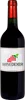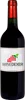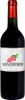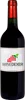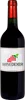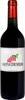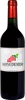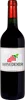
Domaine de St AgnanAssemblage de Rouges Élevé En Barrique
 Red wine



This wine generally goes well with
Details and technical informations about Domaine de St Agnan's Assemblage de Rouges Élevé En Barrique.
Discover the grape variety: Marsanne
Marsanne is a white grape variety that originated in Montélimar in the Drôme, several centuries ago. Marsanne is also found in Cassis, Savoie, Languedoc-Roussillon and Saint-Péray in the Ardèche, where it produces remarkable sparkling wines. The warm, sunny climate of the Rhone Valley, Languedoc-Roussillon and Provence, as well as the dry, stony soil, are ideal conditions for its development. Its bunches are quite large and provide small, juicy berries that are sensitive to grey rot and strong winds. These two grape varieties complement each other perfectly: together they give light wines with little acidity, aromas of yellow fruit, white fruit and flowers with notes of honey and liquorice. This is for example what the appellations Saint-Péray, Hermitage, Crozes-Hermitage, Saint-Joseph, Côtes-du-Vallée du Rhône, Corbières, or Cassis express... which represent about 700 hectares.
Last vintages of this wine
The best vintages of Assemblage de Rouges Élevé En Barrique from Domaine de St Agnan are 2016, 0
Informations about the Domaine de St Agnan
The Domaine de St Agnan is one of of the world's greatest estates. It offers 11 wines for sale in the of Neuchâtel to come and discover on site or to buy online.

The wine region of Neuchâtel
Neuchatel is one of the smaller wine regions of Switzerland, located in the French-speaking western half of the country, North of the much larger Vaud area. Much like its neighbour, Chasselas dominates white plantings here, however Pinot Noir is more significant here, as is the reputation of Neuchatel's rosés. The region is generally referred to as the 'Three Lakes' as the region - and the four AOCs within it - are found on the relatively low-lying, flatter land, centered around the lakes of Morat, Bienne and Neuchatel. The region also covers three neighbouring Swiss cantons.
The word of the wine: Sapid
Said of a wine rich in flavours.