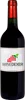
Domaine de MiolanCuvée Albertine Merlot
 Red wine
In the mouth this red wine is a powerful with a lot of tannins present in the mouth.
This wine generally goes well with beef, veal or lamb.

Taste structure of the Cuvée Albertine Merlot from the Domaine de Miolan
Light | Bold | |
Smooth | Tannic | |
Dry | Sweet | |
Soft | Acidic |
In the mouth the Cuvée Albertine Merlot of Domaine de Miolan in the region of Genève is a powerful with a lot of tannins present in the mouth.
Food and wine pairings with Cuvée Albertine Merlot
Pairings that work perfectly with Cuvée Albertine Merlot



Original food and wine pairings with Cuvée Albertine Merlot
The Cuvée Albertine Merlot of Domaine de Miolan matches generally quite well with dishes of beef, lamb or veal such as recipes of fleischnacka leaf, lamb tagine with olives and honey or veal blanquette burger.
Details and technical informations about Domaine de Miolan's Cuvée Albertine Merlot.
Discover the grape variety: Merlot
Round and fleshy reds with a velvety texture, showing aromas of ripe plum, black cherry, cocoa and truffle notes with age. Supple tannins, generous alcohol, indulgent finish. Pillar of Libournais (Pomerol with Pétrus, Saint-Émilion with Cheval Blanc and Ausone) and signature of Super Tuscans, Italian Wales and Washington State. A cross of Cabernet Franc × Magdeleine Noire, France's most planted red variety.
Informations about the Domaine de Miolan
The Domaine de Miolan is one of of the world's greatest estates. It offers 18 wines for sale in the of Genève to come and discover on site or to buy online.

The wine region of Genève
Switzerland's 3rd wine canton, a modern and diverse expression. Fleshy Gamay as the signature red: fruity and crunchy with notes of cherry, raspberry and sweet spices, supple tannins. Fine Pinot Noir (undergrowth, red fruits), spicy, dense Gamaret, deep Garanoir. Whites: historic Chasselas (mineral and floral), ample Chardonnay (pear, brioche), round Pinot Blanc.
The word of the wine: Balsamic
Aromas reminiscent of balsam, resin, incense, but also vanilla or liquorice wood.