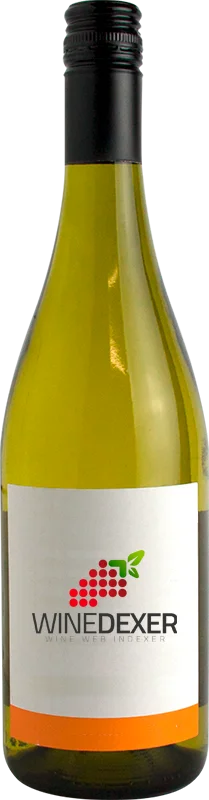
Domaine de la RoussilleSauvignon Moelleux
 Sweet wine
This wine generally goes well with vegetarian, rich fish (salmon, tuna etc) or shellfish.

Food and wine pairings with Sauvignon Moelleux
Pairings that work perfectly with Sauvignon Moelleux



Original food and wine pairings with Sauvignon Moelleux
The Sauvignon Moelleux of Domaine de la Roussille matches generally quite well with dishes of rich fish (salmon, tuna etc), shellfish or vegetarian such as recipes of salmon steaks with lentils, panga curry or leek, goat cheese and bacon quiche.
Details and technical informations about Domaine de la Roussille's Sauvignon Moelleux.
Discover the grape variety: Verduzzo trevigiano
Lively and fruity whites for early drinking, pale golden colour, taut mouth with pronounced acidity, with signature aromas of green apple, citrus (lemon) and floral notes. Also made as Prosecco-style sparkling and frizzante. Often blended in Piave DOC and Conegliano wines. Verduzzo variety grown in Veneto, province of Treviso.
Informations about the Domaine de la Roussille
The Domaine de la Roussille is one of of the world's greatest estates. It offers 9 wines for sale in the of Loire Valley to come and discover on site or to buy online.

The wine region of Loire Valley
Kingdom of lively, dry whites and fine sparklers. Mineral, taut Sauvignon Blanc (Sancerre, Pouilly-Fumé) with citrus and gunflint notes. Multiform Chenin Blanc (Vouvray, Savennières, Layon): straight dry, floral off-dry or noble sweet honey-quince. Saline, iodised Muscadet (Melon B.
The word of the wine: Barrel
A wooden barrel made of oak that varies in size depending on the region and is used to age wines. Some white wines are vinified and aged in barrels.