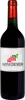
Domaine de la CabernellePlénitude
 Red wine


This wine generally goes well with

Details and technical informations about Domaine de la Cabernelle's Plénitude.
Discover the grape variety: Blanqueiron
Simple fresh whites with low aromatics, pale golden robe, supple palate with moderate acidity, discreet aromas of citrus and white flowers. Discreet rustic South-West profile. Nearly extinct, preserved in INRAE ampelographic collections for its heritage value, it bears witness to the pre-phylloxera ampelographic heritage of the South-West. Rare French white grape, once cultivated in the South-West.
Last vintages of this wine
The best vintages of Plénitude from Domaine de la Cabernelle are 2014, 2015
Informations about the Domaine de la Cabernelle
The Domaine de la Cabernelle is one of of the world's greatest estates. It offers 13 wines for sale in the of Bourgueil to come and discover on site or to buy online.

The wine region of Bourgueil
Dominant Cabernet Franc on the Loire north bank in Touraine: reds with a dual profile depending on terroir. Gravelly wines near the river are supple and fruity (morello cherry, strawberry, raspberry, blueberry), age 2-5 years, accessible young. Tuffeau slope wines are more structured and tannic with leather, cocoa, roasted and spice notes, long ageing. Purple robe, finesse and well-integrated acidity, signature Loire Cabernet Franc elegance, neighbour to Chinon.
The wine region of Loire Valley
Kingdom of lively, dry whites and fine sparklers. Mineral, taut Sauvignon Blanc (Sancerre, Pouilly-Fumé) with citrus and gunflint notes. Multiform Chenin Blanc (Vouvray, Savennières, Layon): straight dry, floral off-dry or noble sweet honey-quince. Saline, iodised Muscadet (Melon B.
The word of the wine: Yeast
Micro-organisms at the base of all fermentative processes. A wide variety of yeasts live and thrive naturally in the vineyard, provided that treatments do not destroy them. Unfortunately, their replacement by laboratory-selected yeasts is often the order of the day and contributes to the standardization of the wine. Yeasts are indeed involved in the development of certain aromas.