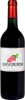
Domaine de L'EstagnolCuvée des Fidèles Rouge
 wine
wine
This wine generally goes well with
The Cuvée des Fidèles Rouge of the Domaine de L'Estagnol is in the top 0 of wines of Côtes de Provence.

Details and technical informations about Domaine de L'Estagnol's Cuvée des Fidèles Rouge.
Discover the grape variety: Seyval
Lively, simple and fruity whites with a pale golden colour, an airy palate with preserved acidity, and discreet aromas of citrus, white-fleshed fruits and white flowers. Also used in sparkling bases. Disease-resistant and cold-hardy. Grown in the United Kingdom, Canada (Québec) and the north-eastern United States for northern climates. Family of French hybrid varieties developed by Bertille Seyve in Bourgoin-Jallieu (Isère), the best known being Seyval Blanc.
Informations about the Domaine de L'Estagnol
The Domaine de L'Estagnol is one of of the world's greatest estates. It offers 2 wines for sale in the of Côtes de Provence to come and discover on site or to buy online.

The wine region of Côtes de Provence
World reference for pale, elegant rosé: salmon to onion-skin hue, notes of strawberry, pink grapefruit, white peach and flowers, fresh, dry, mineral palate, taut finish. 90% of output, the Provençal signature. Grenache, Cinsault, Syrah and native Tibouren in the blend. A few fleshy Mediterranean reds (Mourvèdre, Syrah) and saline Vermentino whites.
The wine region of Provence
World capital of dry, refined rosé (~90% of production). Pale rose-petal colour, delicate nose of fresh red fruits (strawberry, raspberry, redcurrant), citrus (pink grapefruit), white flowers and a mineral touch, taut and thirst-quenching palate — the Mediterranean aperitif par excellence. Blends of Grenache, Cinsault, Syrah, Tibouren and Mourvèdre. Fleshy Bandol reds from Mourvèdre (leather, garrigue, age-worthy), straight Cassis whites.
The word of the wine: Reassembly
During the vinification process, a "cap" is formed at the top of the vats with the solid parts (skin, pulp, pips, etc.), which contain tannins and colouring elements. Pumping over consists of emptying the vat from the bottom and pouring the juice back to the top, in order to mix the cap and the juice and to favour the exchange and the extraction. This old technique allows a better exchange between the solid parts and the liquid.