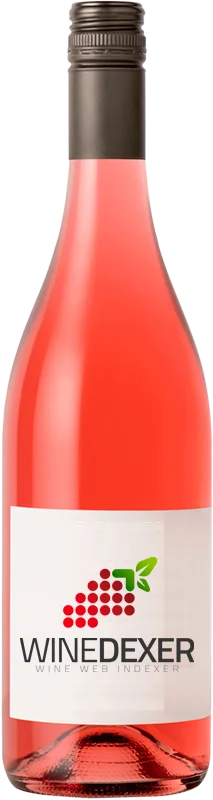
Domaine de GressacLa Bulle
 Pink wine
This wine generally goes well with vegetarian, appetizers and snacks or lean fish.

Food and wine pairings with La Bulle
Pairings that work perfectly with La Bulle



Original food and wine pairings with La Bulle


The La Bulle of Domaine de Gressac matches generally quite well with dishes of pasta, vegetarian or appetizers and snacks such as recipes of lasagna calabrese, magic cake cheese quiche or green tomatoes in vinegar.
Details and technical informations about Domaine de Gressac's La Bulle.
Discover the grape variety: Seyval
Lively, simple and fruity whites with a pale golden colour, an airy palate with preserved acidity, and discreet aromas of citrus, white-fleshed fruits and white flowers. Also used in sparkling bases. Disease-resistant and cold-hardy. Grown in the United Kingdom, Canada (Québec) and the north-eastern United States for northern climates. Family of French hybrid varieties developed by Bertille Seyve in Bourgoin-Jallieu (Isère), the best known being Seyval Blanc.
Informations about the Domaine de Gressac
The Domaine de Gressac is one of of the world's great estates. It offers 17 wines for sale in the of Gard to come and discover on site or to buy online.

The wine region of Gard
Vast Languedoc IGP between Costières and Camargue (Gard): signature Grenache, Syrah, Carignan, Mourvèdre and Cinsault as reds and rosés — fruity and sun-drenched with cherry, strawberry, raspberry, garrigue, spice and a peppery touch (Camargue gris rosés emblematic on sand). Floral whites from Grenache Blanc, Marsanne, Viognier and Vermentino. IGP, ~25,000 ha across 24 communes, sunny Mediterranean climate, cleansing mistral.
The wine region of Pays d'Oc
The single-grape IGP par excellence: modern, accessible, frank and fruity wines, the popular signature of the Midi. Spicy Syrah reds (pepper, blackberry), round Merlot, structured Cabernet, generous Grenache, supple Cinsault. Crisp, tangy rosés. Opulent Chardonnay whites, lively Sauvignon, floral, apricoty Viognier.
The word of the wine: Rootstock
American vine on which a French vine is grafted. This is the consequence of the phylloxera that destroyed the vineyard at the end of the 19th century: after much trial and error, it was discovered that the "pest" spared the roots of the American vines, and the technique became widespread.