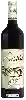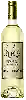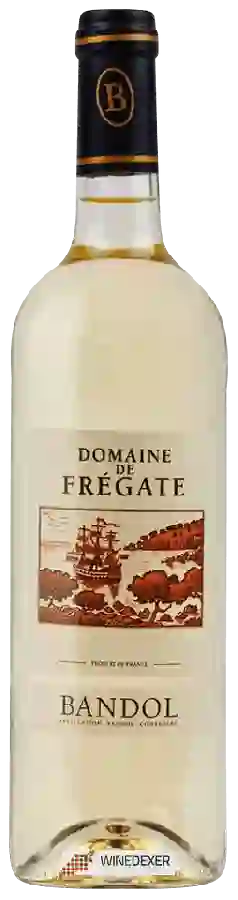
Domaine de FrégateBandol Blanc
 White wine



This wine generally goes well with

Discover the grape variety: Clairette
Vibrant and fresh rosés and clairets with a pale robe and tender mouth, featuring aromas of white flowers, citrus, fennel and delicate anise notes. Moderate acidity, light finish. A pink-skinned mutation of clairette blanche, occasionally blended into Provençal and Languedoc rosés. Clairette blanche signs Clairette de Die, Clairette du Languedoc AOC and enters Châteauneuf-du-Pape whites. Native southern French grape.
Last vintages of this wine
The best vintages of Bandol Blanc from Domaine de Frégate are 2017, 2016, 2018, 2014
Informations about the Domaine de Frégate
The Domaine de Frégate is one of of the world's greatest estates. It offers 13 wines for sale in the of Bandol to come and discover on site or to buy online.

The wine region of Bandol
Provençal jewel between Cassis and Toulon, kingdom of Mourvèdre (50-95% in red). Signature powerful reds with notes of black blackberry, garrigue, pepper, leather, truffle and a balsamic touch, firm tannins and superb ageing (10-30 years) — French benchmark for the grape. Structured, gastronomic rosés (strawberry, citrus, spices) — not a simple aperitif rosé. Rare, mineral Clairette and Bourboulenc whites.
The wine region of Provence
World capital of dry, refined rosé (~90% of production). Pale rose-petal colour, delicate nose of fresh red fruits (strawberry, raspberry, redcurrant), citrus (pink grapefruit), white flowers and a mineral touch, taut and thirst-quenching palate — the Mediterranean aperitif par excellence. Blends of Grenache, Cinsault, Syrah, Tibouren and Mourvèdre. Fleshy Bandol reds from Mourvèdre (leather, garrigue, age-worthy), straight Cassis whites.
The word of the wine: Cryo-extraction
This technique was very popular at the end of the 80's in Sauternes, a little less so now. The grapes are frozen before pressing, and the water transformed into ice remains in the marc, only the sugar flows out. As with the concentrators, the "cryo" can also increase bad taste and greenness.