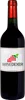
Domaine de Fontriante - Jacky PassotFleurie
 Red wine
In the mouth this red wine is a with a nice freshness.
This wine generally goes well with pork, poultry or veal.

Taste structure of the Fleurie from the Domaine de Fontriante - Jacky Passot
Light | Bold | |
Smooth | Tannic | |
Dry | Sweet | |
Soft | Acidic |
In the mouth the Fleurie of Domaine de Fontriante - Jacky Passot in the region of Beaujolais is a with a nice freshness.
Food and wine pairings with Fleurie
Pairings that work perfectly with Fleurie



Original food and wine pairings with Fleurie

The Fleurie of Domaine de Fontriante - Jacky Passot matches generally quite well with dishes of pasta, veal or pork such as recipes of makroud, veal liver in vinegar or capellini with prosciutto.
Details and technical informations about Domaine de Fontriante - Jacky Passot's Fleurie.
Discover the grape variety: Floreal
Aromatic, lively dry whites with a pale golden robe, a taut palate with fresh acidity, and signature aromas of citrus (grapefruit), white flowers, passion fruit and exotic notes. Crisp profile. Early-ripening and productive. Listed in the official catalogue, representing the future of lower-input viticulture in France through its polygenic resistance to downy and powdery mildew. French white hybrid obtained in 2018 by INRA (Resdur1 series).
Informations about the Domaine de Fontriante - Jacky Passot
The Domaine de Fontriante - Jacky Passot is one of of the world's greatest estates. It offers 5 wines for sale in the of Beaujolais to come and discover on site or to buy online.

The wine region of Beaujolais
Kingdom of Gamay (98% of the vineyard): fruity, accessible reds with signature notes of cherry, raspberry, banana (carbonic maceration), violet and sweet spices, supple tannins and juicy acidity. From festive Beaujolais Nouveau (3rd Thursday of November) to the 10 more structured, age-worthy Crus: deep earthy Morgon, sturdy Moulin-à-Vent, floral Fleurie, crunchy Brouilly. Some lively Chardonnay. 12,000 ha south of Burgundy, granitic soils.
The word of the wine: Elegant
Said of a wine that, beyond balance, presents qualities of charm and harmony, without the slightest heaviness.