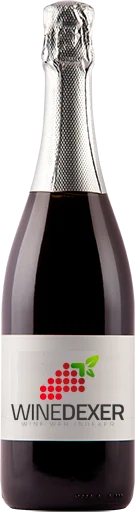
Winery Area 5.1Roséwell
 Sparkling wine



This wine generally goes well with

Wine flavors and olphactive analysis

On the nose the Roséwell of Winery Area 5.1 in the region of California often reveals types of flavors of tree fruit, citrus fruit or red fruit.
Details and technical informations about Winery Area 5.1's Roséwell.
Discover the grape variety: Blancard
Simple dry whites with a pale golden robe, a supple palate with moderate acidity and understated aromas of citrus and white flowers. Discreet rustic profile. Now almost extinct, preserved in INRAE varietal collections, it bears witness to the pre-phylloxera ampelographic diversity of the South-West vineyard and belongs to the heritage grape varieties being studied. Rare French white grape, once cultivated in the South-West.
Last vintages of this wine
The best vintages of Roséwell from Winery Area 5.1 are 0, 2018
Informations about the Winery Area 5.1
The Winery Area 5.1 is one of of the world's greatest estates. It offers 9 wines for sale in the of Sierra Foothills to come and discover on site or to buy online.

The wine region of Sierra Foothills
Historic stronghold of Californian Zinfandel (~40% of plantings) inherited from the Gold Rush (1856). Fleshy, sunny reds with signature notes of candied blackberry, raspberry, pepper, liquorice and sweet spices, round tannins and generous warmth. Over-100-year-old vines at Amador. Also dense, peppery Syrah, lively, fruity Barbera, deep Petite Sirah.
The wine region of California
Powerful, sunny reds: dense Napa Cabernet Sauvignon (blackcurrant, chocolate, tobacco, ample tannins), spicy, jammy Zinfandel from the Sierra Foothills, silky red-fruited Pinot Noir on the cool coast (Sonoma, Russian River, Central Coast). Opulent, buttery Chardonnay, notes of yellow fruit and vanilla. Varied climate, from the hot interior to the Pacific-cooled coast. 80% of US production, 139 AVAs including Napa (1st AVA, 1981).
The word of the wine: Muscat blanc à petits grains
A white grape variety cultivated since antiquity on the shores of the Mediterranean, it is considered the noblest of the muscats. It is mainly used to make sweet wines, often from mutage. In France, it is the sole variety used in many natural sweet wines: muscat-de-frontignan, muscat-de-mireval, muscat-de-lunel, muscat-de-saint-jean-de-minervois, muscat-de-beaumes-de-venise, muscat-du-cap-corse. Combined with Muscat d'Alexandrie, it gives Muscat-de-Rivesaltes. It is also used to make sparkling white wines (clairette-de-die; moscato d'asti and asti spumante in Italy) and dry wines (alsace-muscat). Powerfully aromatic and complex, its wines evoke fresh grapes, roses, exotic fruits, citrus fruits and spices.


