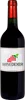
Winery Dom CamiloBordô
 Red wine


This wine generally goes well with

Details and technical informations about Winery Dom Camilo's Bordô.
Discover the grape variety: Mara
Light, fruity reds with a clear ruby robe, smooth tannins and a supple palate of simple red fruits (raspberry, strawberry, cherry), gentle spices and floral notes. A thirst-quenching profile to drink young. Once grown in the South-West, now nearly extinct, preserved in INRAE varietal collections for its genetic value. A rare French grape, witness to the pre-phylloxera ampelographic diversity of the South-West.
Last vintages of this wine
The best vintages of Bordô from Winery Dom Camilo are 0
Informations about the Winery Dom Camilo
The Winery Dom Camilo is one of of the world's great estates. It offers 9 wines for sale in the of Serra Gaúcha to come and discover on site or to buy online.

The wine region of Serra Gaúcha
Brazil's wine capital, Rio Grande do Sul. Specialty: high-quality traditional-method sparklers, fine and fruity (apple, citrus, white flowers), elegant bubble, alpine expression of the south. Still wines mostly European: round fruity Merlot, firm Cabernet Sauvignon, more tannic Tannat, fresh Chardonnay, supple Riesling Italico, fine Pinot Noir. Marked by Italian immigration in 1875, humid climate tempered by altitude.
The wine region of Rio Grande do Sul
Brazil's winemaking heart (~80% of production), Italian tradition. Recognised specialty: traditional-method sparkling wines (espumantes), fresh and fruity, based on Chardonnay and Pinot Noir, among South America's finest. Accessible reds: supple, fruity Merlot (plum, cherry), fleshy Cabernet Sauvignon, dense, tannic Tannat. Round Chardonnay, light Riesling Italico, sweet, floral Moscato whites.
The word of the wine: Thinning
Also known as green harvesting, the practice of removing excess bunches of grapes from certain vines, usually in July, but sometimes later. This is often necessary, but not always a good thing, as the remaining bunches often gain weight.