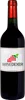
Winery Dollar BillsAnderson Family Vineyard Pinot Noir
 wine
wine
This wine generally goes well with
The Anderson Family Vineyard Pinot Noir of the Winery Dollar Bills is in the top 0 of wines of Dundee Hills.
Details and technical informations about Winery Dollar Bills's Anderson Family Vineyard Pinot Noir.
Discover the grape variety: Mondeuse blanche
Haute-Savoie finds in Mondeuse blanche one of the oldest grape varieties planted in its vineyards. It can be found throughout Savoie and Ain, although its cultivation is not very well developed. Barely 5 hectares of vineyards are planted with this variety. It is known by other names such as savouette, dongine, couilleri or aigre blanc. Mondeuse blanche can be recognized by the downy appearance of its young shoots bearing very tan leaves, reminiscent of spider webs. The leaf blade tends to lose its tan appearance as it ages, while the 5 lobes are clearly defined. Mondeuse blanche produces bunches of grapes that give a wine with good acidity and a long shelf life, which can be kept for up to thirty years. They appear compact, cylindrical and winged. The juicy, sweet and crunchy berries ripen in the second late season. The golden yellow or green skin is quite strong, covering an ovoid or spherical fruit of medium size.
Informations about the Winery Dollar Bills
The Winery Dollar Bills is one of of the world's great estates. It offers 7 wines for sale in the of Dundee Hills to come and discover on site or to buy online.

The wine region of Dundee Hills
The wine region of Dundee Hills is located in the region of Willamette Valley of Oregon of United States. Wineries and vineyards like the Domaine Dusky Goose or the Domaine Serene produce mainly wines red, white and pink. The most planted grape varieties in the region of Dundee Hills are Pinot noir, Chardonnay and Pinot gris, they are then used in wines in blends or as a single variety. On the nose of Dundee Hills often reveals types of flavors of cream, eucalyptus or hibiscus and sometimes also flavors of allspice, fennel or straw.
The wine region of Oregon
Oregon, located in the Pacific Northwest of the United States, is one of the youngest and most promising wine regions in the world. The state put itself on the international wine map in the late 1960s and has been building its position ever since. Production volumes have remained relatively quiet. The 2017 Oregon Vineyards and Wineries report recorded just under 34,000 acres (13,750 hectares) of planted vineyards.
The word of the wine: Leaf removal
Operation that consists in removing the leaves that form a screen between the sun and the grape.