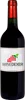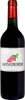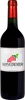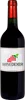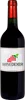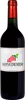
Winery Dois PortosRobusto Tinto
 Red wine
In the mouth this red wine is a powerful.
This wine generally goes well with poultry, beef or veal.

Taste structure of the Robusto Tinto from the Winery Dois Portos
Light | Bold | |
Smooth | Tannic | |
Dry | Sweet | |
Soft | Acidic |
In the mouth the Robusto Tinto of Winery Dois Portos in the region of Lisboa is a powerful.
Food and wine pairings with Robusto Tinto
Pairings that work perfectly with Robusto Tinto



Original food and wine pairings with Robusto Tinto

The Robusto Tinto of Winery Dois Portos matches generally quite well with dishes of beef, pasta or veal such as recipes of burger roll, pasta with alfredo sauce or calf's head with sauce ravigote.
Details and technical informations about Winery Dois Portos's Robusto Tinto.
Discover the grape variety: Pagadebiti
Lively, fresh dry whites with a pale golden colour, a supple palate with preserved acidity and aromas of stone fruits (apple, pear), white flowers and sweet almond notes. Highly productive. A traditional component of Romagnan blends, contributing to the viticultural identity of modern Emilia-Romagna with several dedicated DOCs. Indigenous Italian white variety from Emilia-Romagna, whose name means "pays debts" in reference to its historically high yields.
Informations about the Winery Dois Portos
The Winery Dois Portos is one of of the world's great estates. It offers 26 wines for sale in the of Lisboa to come and discover on site or to buy online.

The wine region of Lisboa
Vast coastal IGP north of Lisbon, Portugal's largest producer by volume. Accessible, sun-filled reds: fruity, spicy Castelão, dense Touriga Nacional (black fruit, violet), fleshy Trincadeira, deep Alicante Bouschet. Fresh, mineral whites: straight, lemony Arinto (star of Bucelas), aromatic Fernão Pires, round Vital and Malvasia. Structured reds from Alenquer, sparkling at Óbidos.
The word of the wine: De-vatting
Separation of the fermented juice from all solid particles (skin, pips, deposit of lees) by transferring it to a second tank.