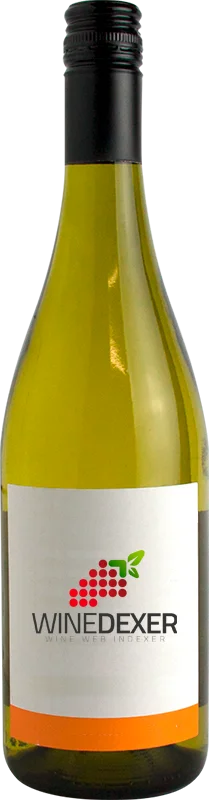
Domaine BourdicMuscat
 White wine
This wine generally goes well with spicy food and sweet desserts.

Food and wine pairings with Muscat
Pairings that work perfectly with Muscat


Original food and wine pairings with Muscat
The Muscat of Domaine Bourdic matches generally quite well with dishes of pasta, vegetarian or poultry such as recipes of pistou soup complete, mushroom, bacon and gruyere quiche or spinach and hard-boiled eggs with béchamel sauce.
Details and technical informations about Domaine Bourdic's Muscat.
Discover the grape variety: Borgonja
Structured, elegant reds with a deep ruby hue, firm and smooth tannins and a dense palate with fresh acidity; signature aromas of red fruits (morello cherry, raspberry), dark fruits (blackberry), spices, black pepper and mineral notes. Fine ageing potential. Grown in continental Croatia, Slavonia and the Balkans for characterful dry reds. Croatian synonym for Austrian Blaufränkisch (= Hungarian Kékfrankos, German Lemberger), native Central European black grape.
Informations about the Domaine Bourdic
The Domaine Bourdic is one of of the world's great estates. It offers 21 wines for sale in the of Côtes de Thongue to come and discover on site or to buy online.

The wine region of Côtes de Thongue
Languedoc IGP from the Thongue basin (Hérault, 23 villages): Syrah, Grenache, Merlot, Cabernet, Carignan and Mourvèdre signatures in fruity reds with notes of cherry, blackberry, raspberry, liquorice, spices and a Mediterranean touch, supple tannins. Generous rosés and whites (Chardonnay, Sauvignon, Viognier, Vermentino, Muscat): fresh, floral and fruity. Very open IGP (119 authorised varieties). Varied soils (marl, clay, gravel), Mediterranean climate.
The wine region of Pays d'Oc
The single-grape IGP par excellence: modern, accessible, frank and fruity wines, the popular signature of the Midi. Spicy Syrah reds (pepper, blackberry), round Merlot, structured Cabernet, generous Grenache, supple Cinsault. Crisp, tangy rosés. Opulent Chardonnay whites, lively Sauvignon, floral, apricoty Viognier.
The word of the wine: Draft liquor (champagne)
After blending, the wine is bottled with a liqueur de tirage (a mixture of sugar and wine) and a yeast (selected yeasts). The yeast attacks the sugar and creates carbon dioxide. The fermentation, which lasts about two months, is prolonged by an ageing period (15 months minimum in total). The bottle is capped (some rare vintages are capped with a staple and a cork).