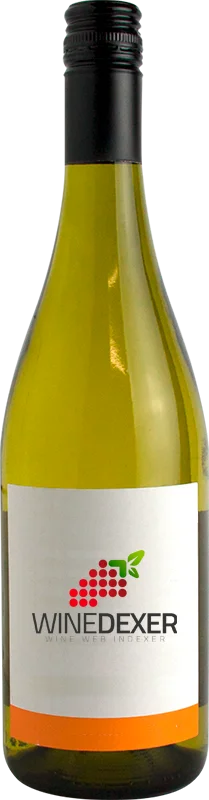
Domaine BourdicDensity
 White wine



This wine generally goes well with
The Density of the Domaine Bourdic is in the top 90 of wines of Côtes de Thongue.

Details and technical informations about Domaine Bourdic's Density.
Discover the grape variety: Saint Pépin
Aromatic, fruity whites with a pale golden robe, a supple palate with preserved acidity, featuring aromas of white flowers, white-fleshed fruits (apple, pear) and light muscat notes. Extremely cold-hardy. Grown in the northern United States (Minnesota, Wisconsin) and Canada for rigorous continental viticultural climates. American white hybrid variety obtained in 1987 by Elmer Swenson in Minnesota.
Informations about the Domaine Bourdic
The Domaine Bourdic is one of of the world's greatest estates. It offers 21 wines for sale in the of Côtes de Thongue to come and discover on site or to buy online.

The wine region of Côtes de Thongue
Languedoc IGP from the Thongue basin (Hérault, 23 villages): Syrah, Grenache, Merlot, Cabernet, Carignan and Mourvèdre signatures in fruity reds with notes of cherry, blackberry, raspberry, liquorice, spices and a Mediterranean touch, supple tannins. Generous rosés and whites (Chardonnay, Sauvignon, Viognier, Vermentino, Muscat): fresh, floral and fruity. Very open IGP (119 authorised varieties). Varied soils (marl, clay, gravel), Mediterranean climate.
The wine region of Pays d'Oc
The single-grape IGP par excellence: modern, accessible, frank and fruity wines, the popular signature of the Midi. Spicy Syrah reds (pepper, blackberry), round Merlot, structured Cabernet, generous Grenache, supple Cinsault. Crisp, tangy rosés. Opulent Chardonnay whites, lively Sauvignon, floral, apricoty Viognier.
The word of the wine: Load shedding
Unlike pumping over, the liquid part is completely removed from the tank before being poured over the marc. This allows for a better mixing of the solid particles and the juice.