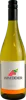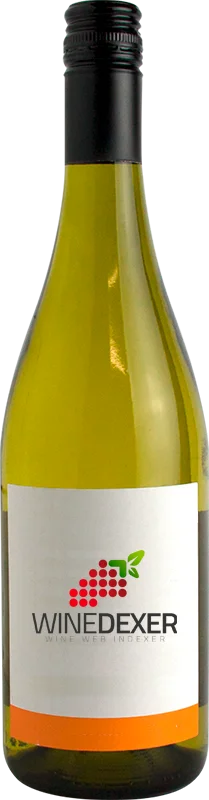
Winery DLCSauvignon Blanc
 White wine


This wine generally goes well with vegetarian, rich fish (salmon, tuna etc) or shellfish.
Wine flavors and olphactive analysis

On the nose the Sauvignon Blanc of Winery DLC in the region of Thrace often reveals types of flavors of tree fruit, spices or citrus fruit and sometimes also flavors of tropical fruit.
Food and wine pairings with Sauvignon Blanc
Pairings that work perfectly with Sauvignon Blanc



Original food and wine pairings with Sauvignon Blanc
The Sauvignon Blanc of Winery DLC matches generally quite well with dishes of rich fish (salmon, tuna etc), shellfish or vegetarian such as recipes of english tuna croque-monsieur, flying with the wind of the seas or quiche lorraine.
Details and technical informations about Winery DLC's Sauvignon Blanc.
Discover the grape variety: Vidiano
A very old grape variety grown in Greece, mostly at high altitudes, it is believed to have originated on the island of Crete. It can also be found in the United States, but is practically unknown in France. According to A.D.N. analyses, it is related to Thrapsthiri and Vilana.
Last vintages of this wine

The best vintages of Sauvignon Blanc from Winery DLC are 2017, 2011, 2016, 0 and 2019.
Informations about the Winery DLC
The Winery DLC is one of of the world's greatest estates. It offers 12 wines for sale in the of Thrace to come and discover on site or to buy online.

The wine region of Thrace
The wine region of Thrace of Greece. Wineries and vineyards like the Domaine Chamlija or the Château Kalpak produce mainly wines red, white and pink. The most planted grape varieties in the region of Thrace are Cabernet-Sauvignon, Merlot and Cabernet franc, they are then used in wines in blends or as a single variety. On the nose of Thrace often reveals types of flavors of cherry, grapefruit or black cherries and sometimes also flavors of jam, mint or prune.
The word of the wine: Maceration
Prolonged contact and exchange between the juice and the grape solids, especially the skin. Not to be confused with the time of fermentation, which follows maceration. The juice becomes loaded with colouring matter and tannins, and acquires aromas. For a rosé, the maceration is short so that the colour does not "rise" too much. For white wines too, a "pellicular maceration" can be practised, which allows the wine to acquire more fat.