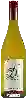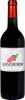
Winery DiefenhardtSpätburgunder Rosé
 Pink wine


This wine generally goes well with vegetarian

Food and wine pairings with Spätburgunder Rosé
Pairings that work perfectly with Spätburgunder Rosé

Original food and wine pairings with Spätburgunder Rosé
The Spätburgunder Rosé of Winery Diefenhardt matches generally quite well with dishes of vegetarian such as recipes of broccoli and blue cheese quiche without pastry.
Details and technical informations about Winery Diefenhardt's Spätburgunder Rosé.
Discover the grape variety: Pinotage
Intensely coloured, structured reds with inky robe and firm tannins, with typical aromas of blackberry, black plum, roasted coffee, cocoa, banana and characteristic smoky notes. Made as powerful ageing reds and as more approachable fruity cuvées, sometimes as rosés. Absolute signature of South Africa (Stellenbosch, Swartland, Paarl). Cross of pinot noir × cinsault created in 1925 by Abraham Perold at Stellenbosch University.
Last vintages of this wine
The best vintages of Spätburgunder Rosé from Winery Diefenhardt are 0
Informations about the Winery Diefenhardt
The Winery Diefenhardt is one of of the world's greatest estates. It offers 37 wines for sale in the of Rheingau to come and discover on site or to buy online.

The wine region of Rheingau
Historic cradle of great German Riesling: age-worthy whites of rare precision, from taut dry (Trocken) to botrytised sweet (Auslese, Beerenauslese, TBA) with notes of peach, citrus, acacia honey, noble petrol and slatey minerality. Riesling king on ~80% of the vineyard. Also Spätburgunder (Pinot Noir, 8%), notably the fine, silky Assmannshausen. 3,100 ha on south-facing slopes overlooking the Rhine (Hesse).
The word of the wine: Merrain
Oak wood split into planks used to make the barrel.