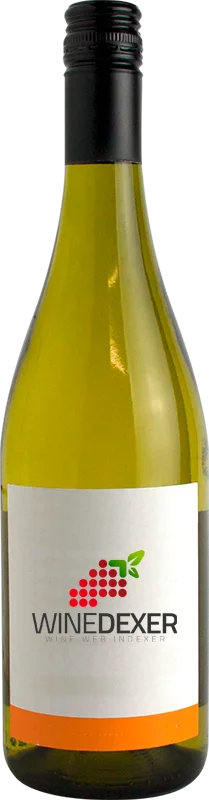
Winery Deep Creek CellarsPinot Grigio
 White wine
In the mouth this white wine is a .
This wine generally goes well with pork, cured meat or mushrooms.
Taste structure of the Pinot Grigio from the Winery Deep Creek Cellars
Light | Bold | |
Dry | Sweet | |
Soft | Acidic |
In the mouth the Pinot Grigio of Winery Deep Creek Cellars in the region of British Columbia is a .
Food and wine pairings with Pinot Grigio
Pairings that work perfectly with Pinot Grigio


Original food and wine pairings with Pinot Grigio

The Pinot Grigio of Winery Deep Creek Cellars matches generally quite well with dishes of pork, spicy food or mushrooms such as recipes of peasant minestrone, scallops with cream or veal roast casserole with mushrooms.
Details and technical informations about Winery Deep Creek Cellars's Pinot Grigio.
Discover the grape variety: Marzemino
A very old variety grown in northern Italy and recently in Sardinia. It can also be found in Greece, New Zealand, etc. In France it is practically unknown. It is most certainly related to Teroldego and Refosco dal Pedunculo Rosso and is said to be the brother of Lagrein, all three Italian varieties. It is also related to completer.
Informations about the Winery Deep Creek Cellars
The Winery Deep Creek Cellars is one of of the world's greatest estates. It offers 7 wines for sale in the of British Columbia to come and discover on site or to buy online.

The wine region of British Columbia
British Columbia is Canada's westernmost province, located on the edge of the Pacific Ocean. The diversity of landscapes here – from rainy islands to desert-like valley floors – means that a wide variety of Grapes are planted here. They include Chardonnay, Pinot Noir and Riesling, as well as Cabernet Sauvignon and Merlot. While volumes are lower than those of the province of Ontario, British Columbia is home to a rapidly growing wine industry.
The word of the wine: Drawing (liqueur de)
In champagne and sparkling wines of traditional method, addition to the wine, at the time of bottling (tirage) of sugars and yeasts dissolved in wine. These components will provoke the second fermentation in the bottle leading to the formation of carbon dioxide bubbles.