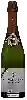
Caves ElisabethCrémant de Loire Brut
 wine
wine
This wine generally goes well with
The Crémant de Loire Brut of the Caves Elisabeth is in the top 0 of wines of Crémant de Loire.

Details and technical informations about Caves Elisabeth's Crémant de Loire Brut.
Discover the grape variety: Rufete
Supple, fruity reds with a clear ruby colour, silky tannins and airy palate with preserved acidity, showing signature aromas of red fruits (cherry, raspberry, strawberry), gentle spices and fresh floral notes. Elegant mountain profile for early drinking. Star of the Sierra de Salamanca DO, a typical expression of the north-west Iberian Peninsula, also present in Beira Interior and the Portuguese Douro. Native Iberian black variety from Salamanca.
Last vintages of this wine



The best vintages of Crémant de Loire Brut from Caves Elisabeth are 2018, 2019, 0
Informations about the Caves Elisabeth
The Caves Elisabeth is one of of the world's greatest estates. It offers 3 wines for sale in the of Crémant de Loire to come and discover on site or to buy online.

The wine region of Crémant de Loire
Loire AOC for traditional-method sparkling wines (1975), a refined alternative to Champagne in Anjou, Saumur, Touraine. Fine, fresh bubbles with signature notes of green apple, pear, white flowers, brioche and a honeyed touch, a taut and thirst-quenching palate. Chenin Blanc as the base of Loire expression, complemented by round Chardonnay, Cabernet Franc (raspberry roses), Pinot Noir, Grolleau, Pineau d'Aunis. Hand-harvested, aged min.
The wine region of Loire Valley
Kingdom of lively, dry whites and fine sparklers. Mineral, taut Sauvignon Blanc (Sancerre, Pouilly-Fumé) with citrus and gunflint notes. Multiform Chenin Blanc (Vouvray, Savennières, Layon): straight dry, floral off-dry or noble sweet honey-quince. Saline, iodised Muscadet (Melon B.
The word of the wine: Malvasia
Name given locally to various grape varieties, notably pinot gris (Pays nantais) and vermentino (Provence and Corsica).